Women’s HIV prevention starts with a question: which options can you use or take yourself? Internal condoms, PrEP, HIV testing and PEP each work at a different point in time, and a health care provider can help you match them to your situation.
This guide sorts the options by what you want to achieve, so you can choose a route and follow it to the right detail. Each section links to a fuller guide, such as PrEP for women or how to use a female condom.
Where to start, by goal
No single method suits every woman, because the options work in different ways. Some are used at the moment of sex, some are medicines taken ahead of time, and some respond to a possible exposure that has already happened. Pick the route that matches your situation today, then add others as your circumstances change.
- You want a method you control during sex. Start with the internal condom section below. It is a barrier you place yourself, and it is not a medicine.
- You want protection that does not depend on the moment. Go to the PrEP section. Daily pills and long-acting shots are prescribed by a provider and taken before any possible exposure.
- Something may already have happened. Go straight to the PEP section and contact a clinic, urgent care service or emergency department promptly.
- You do not know your HIV status. Read the testing section first, because several other options assume you know it.
- Your partner has HIV, or you are pregnant or planning a pregnancy. The section on partners, pregnancy and treatment points to the guides written for those situations.
These routes are not exclusive. Many women use a barrier method and a medicine together, and regular testing sits alongside both. The sections below explain what each option is, who it suits and which limits to keep in mind before you decide.
The internal condom: a barrier you place yourself
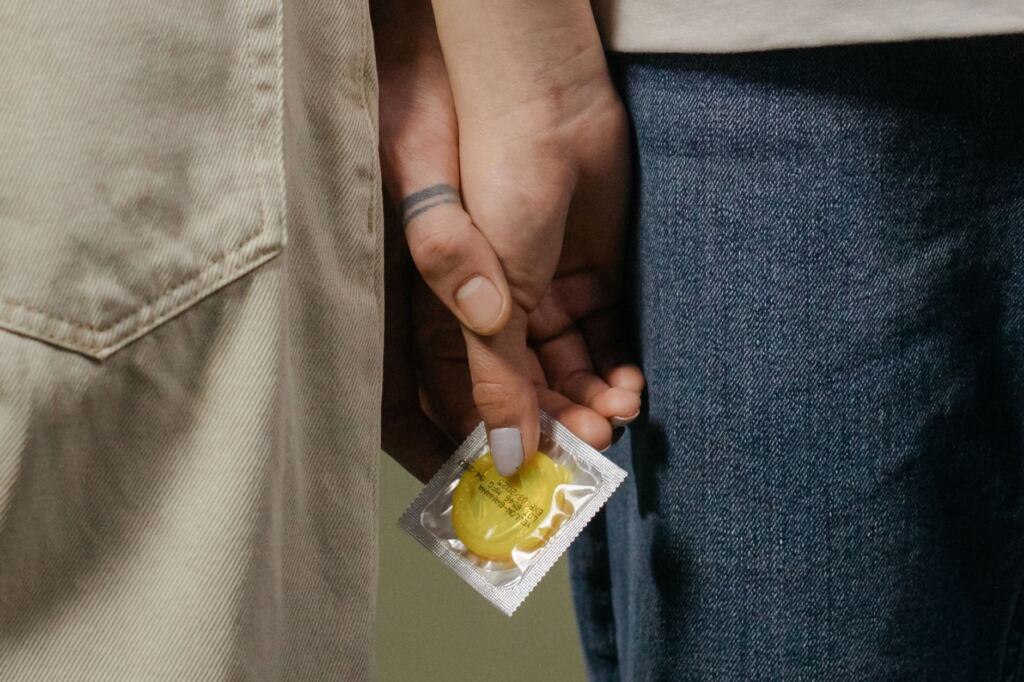
The internal condom, also called the female condom, is a barrier method that the person receiving sex controls. It suits women who want protection they can start without a prescription, a clinic visit or a partner’s agreement to wear something. The practical detail on technique is in the guide to how to use a female condom, so this section focuses on what the product is and how to decide whether it fits.
How it is built
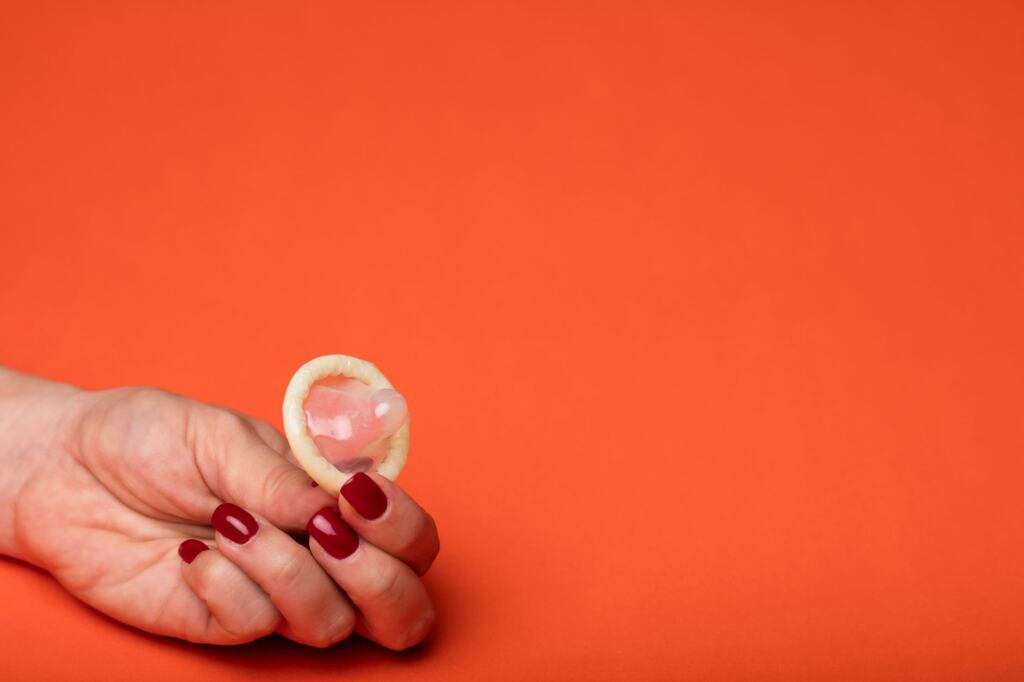
According to the youth sexual health site Teen Source, the internal condom is a thin pouch. The design has an outer ring at one end and an inner ring inside the pouch. The pouch is made of nitrile rather than latex, so it can be a good option for people with latex allergies. It also comes covered in lubricant, so you do not need to add any to use it as designed.
Other design points matter for decisions. The internal condom covers more surface area than an external (male) condom, which is a reason some women choose it. It is also disposable: each one should be used one time only. Treat a used one as finished, and keep a spare within reach so that you are never tempted to reuse one.
Limits to keep in mind
An internal condom should not be used with a male condom. The two are designed as alternatives, so pick one method for each act of sex rather than layering them. This matters most when a woman has both products at home and reaches for whichever is closest. Decide in advance which one you will use, and keep the other for a different situation.
Because each condom is single use, the supply question becomes practical. A woman who relies on internal condoms needs enough on hand for every act of sex, not only the ones she expects. Running short at the moment of need is the most likely way this method fails in practice, so the supply plan matters as much as the technique.
Availability and cost
The main drawback is access. Internal condoms can be harder to find and more expensive than male condoms. If you want to rely on them, work out where you will get a steady supply before you need one. Compare the price per condom and how often you will need to restock, then build that into your monthly budget. The guide on where to buy female condoms covers sourcing. For one widely available product, see the explainer on the FC2 female condom.
Protection depends on using a fresh condom for every act of sex and placing it correctly each time. For this reason, practice and a reliable supply matter more than the brand you choose. A product you can get consistently and use correctly will serve you better than a more preferred product that you rarely have on hand.
Internal and external condoms side by side
Internal and external condoms are both barrier methods, and the choice between them is mostly about who controls the method, how it fits and how easily you can get it. An external condom is worn by a male partner, so using one depends on his cooperation. An internal condom is placed by the woman, so she can use it without that dependence. That difference is the central reason many women look at the internal option at all.
The internal condom’s larger covered surface area is its most cited design advantage over the external condom. The external condom’s advantage is availability and cost, since the internal one is harder to find and more expensive. If you can reach both reliably, keep both on hand and choose by situation. A woman who has a regular partner willing to use external condoms may rely on those for most sex, and keep internal condoms for times when a partner is unwilling or unavailable. A woman who cannot count on a partner’s cooperation may decide the internal condom is the better primary barrier, provided she can secure the supply. The detailed trade-offs are laid out in female condom vs male condom.
PrEP: medicine taken before exposure
PrEP, short for pre-exposure prophylaxis, is HIV medicine for people who do not have HIV. It is taken before possible exposure to reduce the risk of getting HIV. In the HIVinfo fact sheet, it is described as one of the safest and most effective ways to prevent HIV when taken exactly as prescribed.
The key difference from a barrier method is that PrEP works through the medicine in your body rather than a physical block. That is why its effect depends on the schedule. You are not choosing a product for each act of sex; you are maintaining a regimen so that protection is in place when a possible exposure happens. This makes PrEP a good fit for women who expect that their risk will continue over time, and a poorer fit for a single occasion that is not expected to recur.
The approved medicines
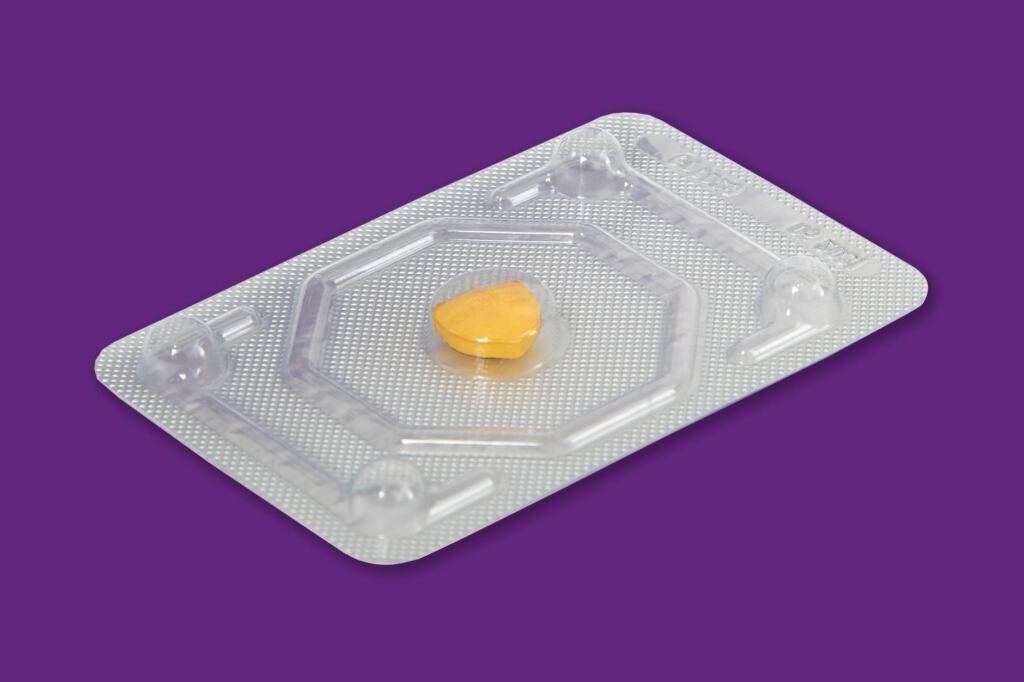
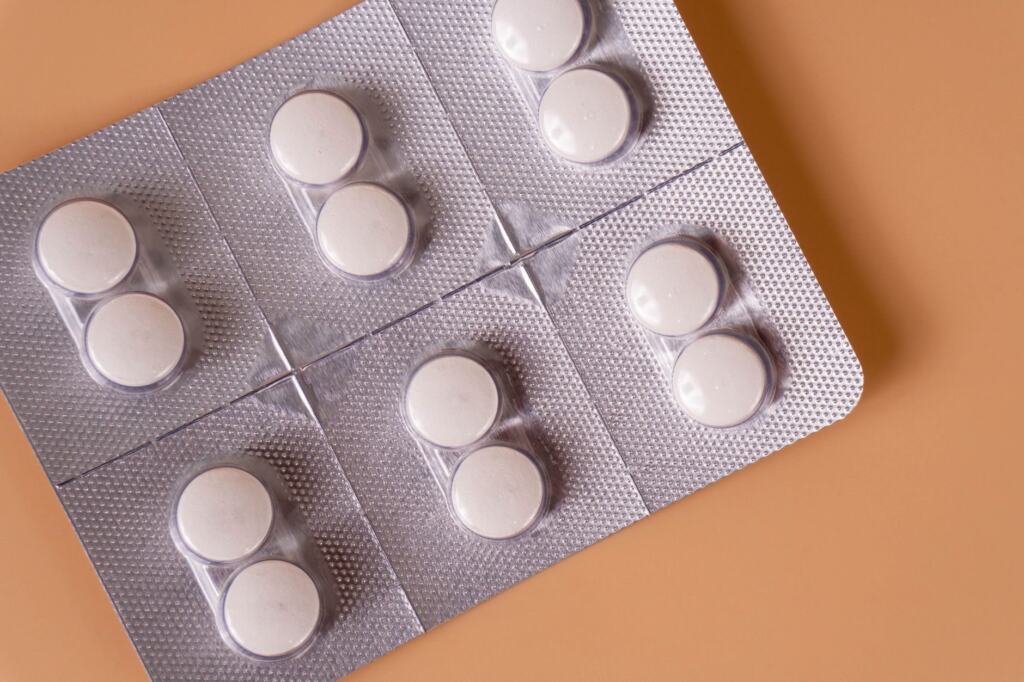
Four HIV medicines are approved by the US Food and Drug Administration for use as PrEP: two daily pills and two shots. The pills (Truvada or Descovy) are taken once a day. The shots are given every two months (Apretude) or every six months (Yeztugo). These schedules are the core of the decision, because they determine how much effort the method requires in your daily or yearly routine.
Reading the effectiveness figures
The same fact sheet states that PrEP pills and shots can reduce the risk of sexual HIV transmission by about 99% when taken exactly as prescribed. That figure is a ceiling that depends on following the schedule, not a guarantee for every user. A daily pill delivers its benefit only if you take it daily, and a shot works only if you return for it on time. A 99% reduction is also not the same as zero risk, so keep using testing and any other protection your situation calls for.
A separate figure applies to a different route. For women who inject drugs, the fact sheet says PrEP pills can reduce the risk of HIV transmission from drug injections by as much as 74%. Those two numbers describe different routes and different conditions, so they should not be added together or compared as though they measure the same thing. The 74% figure relates to pills, and the shots have not been studied for this route.
Who may benefit
PrEP may be beneficial if you do not have HIV and have had anal or vaginal sex in the past six months and any of the following applies: you have a partner with HIV, you do not always use condoms, or you have had a recent sexually transmitted infection (STI). The fact sheet also lists having used multiple courses of PEP as a reason to consider PrEP. That last point is a useful signal. If you keep needing emergency medicine after exposures, a steady preventive option is likely a better fit than repeated emergency responses.
If none of these conditions describes your situation, PrEP may still be worth discussing, but the fact sheet’s eligibility list is the starting point for the conversation. A provider will weigh your history and the other tests required before deciding.
Choosing between pills and shots
Daily pills suit women who already have a stable daily routine and want a method they can stop or pause easily. Shots suit women who find daily tablets hard to keep up with, since a provider gives the dose every two or six months. The trade-off is in the appointments. A pill regimen asks you to remember a dose every day, while a shot regimen asks you to keep every provider visit, and a missed visit is harder to correct at short notice. Think about which kind of reminder you actually follow.
The guides to oral PrEP for women how to take and injectable PrEP for women go deeper on each option. Use them to compare the practical demands before you raise the choice with a provider.
Side effects and what PrEP does not cover
Some people taking PrEP may experience side effects such as nausea, diarrhea, headache, dizziness and insomnia, and these are typically mild. Raise any that persist with your provider rather than stopping on your own, because a provider can judge whether the side effect is worth managing or whether a different option suits you better.
PrEP does not protect against other STIs. If preventing other infections matters to you, a condom adds protection that PrEP does not provide. This is the main reason women often pair PrEP with a barrier method rather than choosing one or the other, and it connects directly to the internal condom section above.
Getting a prescription
PrEP can only be prescribed by a provider, and you will need to take other tests before starting. Because it is meant for people who do not have HIV, an HIV test is an expected part of the process. Plan for this first visit to take longer than a routine appointment, and bring a list of any medicines you already take so the provider can check for conflicts. The step-by-step guide on how to get PrEP walks through what to expect.
Comparing the main options at a glance
The table sets the barrier methods and PrEP side by side on the points that most often decide the choice. Use it to narrow the list, then confirm details with a provider.
| Option | How it is used | Schedule | Key condition | Planning use |
|---|---|---|---|---|
| Internal condom | Placed by the woman; nitrile pouch with outer and inner rings | New one each time; single use | Harder to find and more expensive than male condoms | Suits women wanting control at the moment of sex or with a latex allergy; secure a supply first |
| External condom | Worn by a male partner | New one each time | Covers less surface area than the internal condom | Suits women who can reach it cheaply and rely on a partner to use it |
| Daily oral PrEP | Pill (Truvada or Descovy) | Once a day | Prescription needed; about 99% risk reduction for sex when taken exactly as prescribed | Suits women with a dependable daily routine |
| Injectable PrEP | Shot given by a provider (Apretude or Yeztugo) | Every two months (Apretude) or every six months (Yeztugo) | Prescription needed; must attend each appointment | Suits women who find daily pills hard to keep up |
Figures and conditions in the table come from the HIVinfo PrEP fact sheet and the Teen Source guide to the internal condom.
Medicine is not limited to pills and shots. A dapivirine vaginal ring is another woman-controlled option, covered in its own explainer on the dapivirine vaginal ring. Ask a provider whether it is available where you live before you plan around it.
After a possible exposure: PEP
Post-exposure prophylaxis, or PEP, is HIV medicine used after a possible exposure rather than before one, as its name indicates. If you think you may have been exposed, contact a clinic, urgent care service or emergency department promptly and ask about PEP. Do not wait for a routine appointment, because the decision about PEP is time-sensitive and belongs to a provider.
When you call or visit, say what happened in plain terms, including the type of exposure and when it occurred, so the provider can judge whether PEP applies. Ask what tests will be done and what follow-up is needed. Keeping a short written note of these details helps if you are seen by a different provider later.
PEP is an emergency response, not a routine plan. The HIVinfo fact sheet lists having used multiple courses of PEP as a sign that someone may benefit from PrEP. If you find yourself returning for PEP, ask about starting PrEP so that protection is in place beforehand. The guide on PEP for women after HIV exposure covers the steps in more detail.
HIV testing: knowing your status
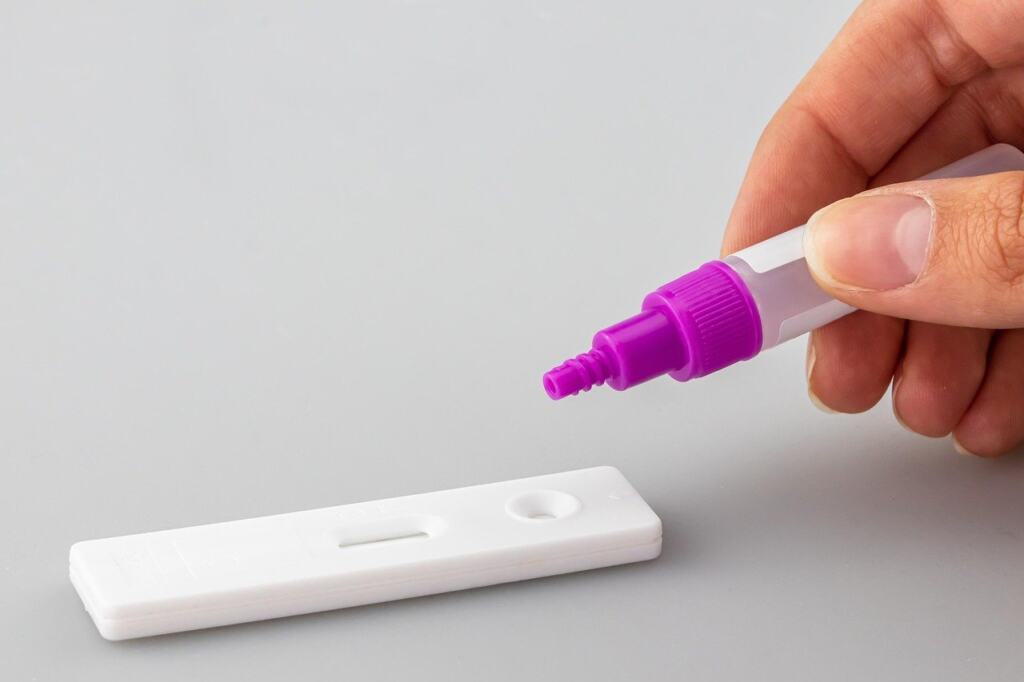
HIV testing is the foundation for several other choices. PrEP is designed for people who do not have HIV, and the provider will test you before prescribing it. Testing also tells you whether the prevention you are using is working as intended, because a regular result gives you and your provider a reference point. Treat testing as part of prevention rather than a separate event that happens only when you feel unwell.
How often to test
For women taking PrEP, the HIVinfo fact sheet says testing should be regular, usually every three months. Build the appointment into your routine from the start, so a dose is never prescribed without a recent result behind it. If you start PrEP as a shot, keep the testing schedule your provider sets alongside the injection visits, rather than treating the injection as the only check.
For women not on PrEP, the right interval depends on your situation, including recent exposures and any new partners. Ask your provider to set a schedule that fits your circumstances, and test after any possible exposure. The guide to HIV testing for women explains your options for where and how to test.
Testing as a first step
If you have not tested recently, make it the first action on your list. The result shapes the rest of the plan. A negative result gives you a starting point for choosing prevention, and a positive result moves the conversation toward treatment and the guides on partners and transmission. Either way, the next step is clearer once you know your status.
Why women and girls are more affected in some regions
HIV does not affect women and girls equally everywhere. A guidance document on preventing HIV and other sexually transmitted infections among women and girls focuses on settings with extremely high HIV prevalence and incidence, and notes very high prevalence in East and Southern Africa. It states that it aligns with updated World Health Organization recommendations on contraceptive eligibility for women at high risk of HIV.
The practical lesson for individual decisions is that risk depends heavily on where you live and on your circumstances, not only on personal choices. If your community has high HIV prevalence, treat prevention as a priority and make an early plan with a provider, rather than waiting for a problem to appear. The guide on why are women at higher risk of HIV examines the underlying factors in more depth.
Partners, pregnancy and treatment
Some situations need a plan built around a relationship or a pregnancy rather than a single product. These are the guides to read next, depending on which applies to you.
- Your partner has HIV. Read HIV prevention when partner is positive. PrEP is a reasonable topic to raise with a provider here, since having a partner with HIV is one of the listed reasons it may be beneficial.
- You want to understand treatment and sex. The explainer on U=U for women covers what viral suppression means for transmission.
- You are pregnant or planning to be. See preventing mother to child HIV transmission and talk with your provider early, so that any medicine choices are made with the pregnancy in mind.
In each case, the same logic applies. Testing comes first, the provider sets the medical plan, and a barrier method can still cover the risks that the medicine does not address. A relationship or pregnancy changes which combination is sensible, but it does not remove the need to test and to talk with a clinician.
Putting a personal plan together
A workable plan layers methods so that one gap does not leave you unprotected. Work through the steps in order, because each one depends on the one before it.
- Test first. Get a current HIV result so that every later decision starts from your actual status.
- Choose one method you can keep up with. That might be a reliable internal condom supply, a daily pill, or a shot on a fixed schedule. Pick the one that matches your routine, not the one that sounds most effective on paper.
- Add a second layer where it makes sense. PrEP does not protect against other STIs, so pairing it with a condom covers both concerns. Where a barrier method is your main protection, keep a plan for the situations it cannot cover.
- Write down your contact and PEP steps. Note where you would go after a possible exposure, so you do not have to work this out under pressure.
Revisit the plan when your situation changes: a new partner, a pregnancy, a change in your community’s risk or a missed dose. If a possible exposure occurs, move to PEP without delay. A provider can help you adjust the plan, and bringing this overview to the appointment can make the conversation faster and more specific.
Frequently asked questions
| Question | Answer |
|---|---|
| Can I use an internal condom and an external condom together? | No. An internal condom should not be used with a male condom, so choose one method for each act of sex, as Teen Source advises. |
| Is PrEP only taken when I expect sex? | On-demand PrEP is not recommended by the CDC or approved by the FDA. The approved pills are taken once a day, and the approved shots are given on a fixed schedule, according to the HIVinfo fact sheet. |
| Are PrEP side effects serious? | The common side effects listed are nausea, diarrhea, headache, dizziness and insomnia, and they are typically mild. A provider can judge whether any that persist need changing the plan. |
| Does PrEP help if I inject drugs? | PrEP pills can reduce the risk of HIV transmission from drug injections by as much as 74%. The shots have not been studied for this route, per the HIVinfo fact sheet. |