| Topic | What to know | Planning use |
|---|---|---|
| Daily oral pill | Taken every day. Tenofovir disoproxil fumarate with emtricitabine was first approved in 2012. | The longest-established option, and the one most women are offered first. |
| Injection | Given every 2 or 6 months. | Ask a clinician whether an injectable suits your situation. |
| Time to protection | Daily oral PrEP can take up to a week to build up to a protective level. | Do not rely on it for the first week after starting. |
| HIV testing | An HIV test is required every 3 months while taking PrEP. | Book follow-up visits before you leave the first appointment. |
| Missed doses | PrEP is much less effective if not taken consistently. | Choose a routine you can keep, such as a weekly pill organizer. |
| Other STIs | PrEP does not protect against them. | Keep using latex condoms every time you have sex. |
Figures in this table come from MedlinePlus on HIV PrEP and PEP and PrEPWatch’s oral PrEP product page.
PrEP for women is a daily pill or an injection every 2 or 6 months that reduces the risk of HIV from sex by about 99% when taken consistently. Eligibility depends on a partner with HIV, inconsistent condom use or a recent STI.
This guide follows the order in which decisions usually arise, as part of our wider coverage of women’s HIV prevention. It starts with who qualifies, then looks at the evidence, the options, the first week and the follow-up.
Before you start: check whether you qualify
PrEP is for people who do not have HIV but are at risk of getting it. It is a different tool from PEP, which is for emergencies only. Whether you qualify depends on your sexual partners, your use of condoms and, for some women, drug injecting.
Sexual exposure criteria
MedlinePlus lists the US criteria for sexual exposure. You may be a candidate if you have had anal or vaginal sex in the past 6 months and any of these apply:
- A partner with HIV. This is the clearest indication.
- Inconsistent condom use. Condoms not used every time count even when a partner’s status is unknown. Advocacy guidance from PleasePrEPMe names partners of unknown HIV status specifically.
- An STI in the past 6 months. A recent diagnosis signals exposure risk and is worth raising with a clinician.
Heterosexual women and male partners
PrEP does work for women who have sex with men. PleasePrEPMe states that PrEP works for women, men and people of transgender experience. A peer-reviewed review of PrEP in women notes that CDC’s recommended indications for heterosexually active women are tied to the characteristics of their male partners. In practice, you may not know a partner’s HIV status or other risks, so a frank conversation with a clinician matters more than any single checklist item.
Injecting drugs
Sharing needles or other injection equipment is a separate route to eligibility, as is having an injection partner with HIV. The same MedlinePlus page lists both. If either applies, PrEP is worth discussing regardless of your sexual history.
Conception, pregnancy and breastfeeding
If your partner has HIV and you are trying to conceive, pregnant or breastfeeding, PrEP may help protect both you and your fetus or baby from HIV infection, according to MedlinePlus. This is a decision to make with a prescriber who knows your pregnancy plans.

What the evidence says for women
PrEP protects women well when it is taken consistently, but trial results in women varied more than the headline figure suggests. The pattern across studies is that protection follows use.
| Setting | Reported result | What it means for you |
|---|---|---|
| Sex, taken consistently | Risk of HIV from sex reduced by about 99% | The best-case figure; it assumes consistent use. |
| Adherent users of oral PrEP | Can prevent 92% of HIV transmission | Confirms that adherence drives the benefit. |
| Partners PrEP trial, Kenyan and Ugandan women in serodiscordant relationships | 66% fewer new infections than placebo | Clear benefit in a trial of women with partners who had HIV. |
| CDC Botswana study of serodiscordant couples | Oral tenofovir with emtricitabine had 49% efficacy for women | A lower result; it shows why daily use matters. |
| People who inject drugs | Risk of HIV reduced by at least 74% | Protection applies across exposure routes, at different levels. |
These results come from MedlinePlus and a peer-reviewed review of PrEP for women.
The same review notes that several studies in women ended early because of poor adherence. The takeaway is practical: choose the option you can actually keep up. A pill taken some days offers far less than the trial figures suggest.
Choosing an option and getting tested
The options for women today are daily oral tablets and, for some, an injection. Which is available to you depends on approval status and on what a clinician can prescribe.
Daily tablets
Tenofovir disoproxil fumarate with emtricitabine is sold under the brand name Truvada and was first approved in 2012. A generic version is available. The FDA approved oral PrEP for women and men in high-risk populations that year, and its safety is well established across a wide range of populations, including pregnancy and lactation.
Tenofovir alafenamide with emtricitabine (Descovy) was first approved in 2019, but PrEPWatch notes the approvals apply to cisgender men and transgender women only. A phase III trial called PURPOSE I is evaluating it in cisgender women, with results expected in 2027. Until then, tenofovir disoproxil fumarate with emtricitabine is the oral choice for cisgender women.
Injections
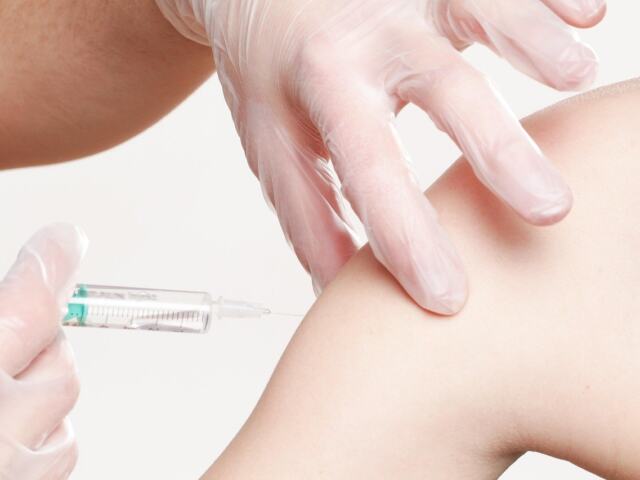
MedlinePlus describes PrEP as available either as a daily pill or as an injection every 2 or 6 months. An injectable can suit someone who finds daily tablets hard to keep up. Ask a prescriber which injectable is available to you and whether it is suitable for your circumstances.
Actions before the first dose
- Tell the clinician about partners, condom use, recent infections and any injecting, so they can judge your eligibility.
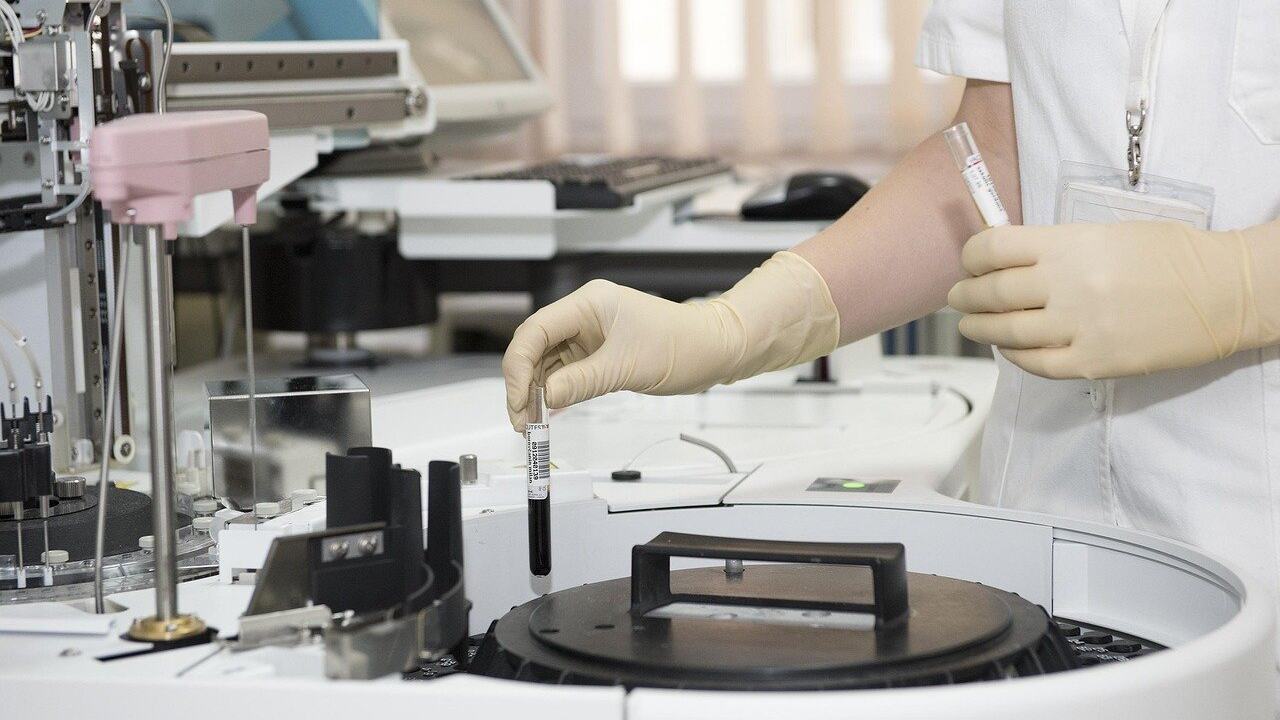
- Have an HIV test. PrEP is for people without HIV, and testing is built into it: you must be tested every 3 months while taking it.
- Discuss pregnancy plans and breastfeeding, since they affect the choice of option.
- Agree on a prescription and follow-up dates. Our guide on how to get PrEP covers finding a prescriber and the practical steps.
The first week and the daily routine
Daily oral PrEP can take up to a week to build up in the bloodstream to a protective level, so the first week is a gap to plan around rather than a period of full protection. Use condoms in that week.
For women, daily dosing is the current recommendation. PrEPWatch notes that newer data suggest protective levels may be possible with imperfect adherence in cisgender women, but it still says this population should take oral PrEP every day to be effective. Treat that as a recommendation, not as permission to skip doses.
If you miss doses regularly, protection falls sharply: MedlinePlus states PrEP is much less effective when not taken consistently. Talk to your clinician early about missed doses. An injectable may suit you better than a daily pill you struggle to take.
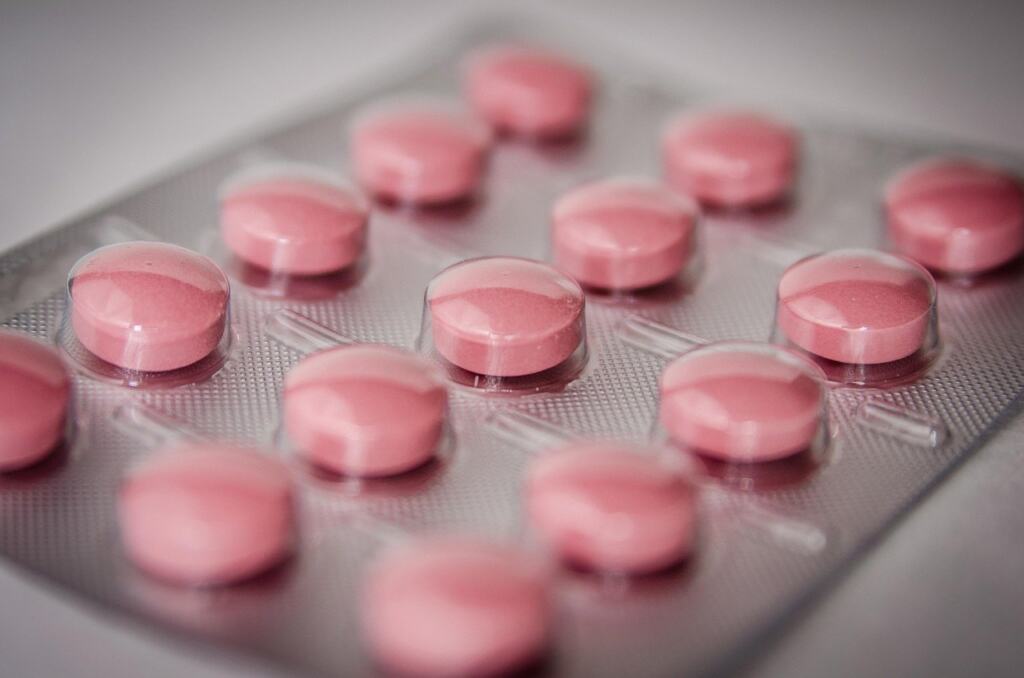
- Anchor the pill to a habit. Pair it with something you already do daily, and use a weekly organizer to see at a glance whether a dose was missed.
- Plan for travel and changes. Keep a supply with you rather than leaving it in a bag you may not carry.
- Raise problems early. Struggling with the routine is a reason to change the plan, not to quietly stop.
Staying on PrEP: follow-up and condoms
Staying on PrEP means regular HIV tests and keeping other sexual health protection in place. MedlinePlus states that you must have an HIV test every 3 months while taking PrEP. These visits are also a chance to review adherence and any questions.
Other infections and pregnancy
PrEP protects against HIV only. It does not prevent other sexually transmitted infections, and it does not prevent pregnancy, according to MedlinePlus and PrEPWatch. MedlinePlus advises latex condoms every time you have sex, with polyurethane as the alternative for anyone with a latex allergy. For a barrier method that a woman controls, the FC2 female condom pairs well with PrEP.
Reaching the women who could benefit
Far more women are eligible than currently use PrEP. A peer-reviewed review reports a CDC estimate that 468,000 US women have indications for PrEP. It also cites a study of women in six US cities in which less than 10% were aware of PrEP in 2012. That figure is dated, but it shows how long awareness lagged behind need.
The same review notes that in the 2010 National HIV Behavioral Surveillance heterosexual wave, women in the sample had an HIV prevalence of 2.5%, against 0.16% of heterosexual women across the US. The gap illustrates why individual circumstances matter more than gender alone. At the population level, the World Health Organization recommends PrEP for populations with estimated HIV incidence of 3% or greater.

Frequently asked questions
Is PrEP the same as PEP?
No. PEP is for emergency use after a possible exposure. It must be started within 72 hours and taken daily for 28 days. PrEP is taken in advance by people at ongoing risk.
Does PrEP prevent pregnancy?
No. Oral PrEP does not prevent pregnancy, so it is not a contraceptive.
Are the side effects serious?
MedlinePlus says side effects, such as nausea, are usually not serious and often get better over time. Tell your clinician if they persist.
Is PrEP safe during pregnancy and breastfeeding?
The safety of tenofovir disoproxil fumarate with emtricitabine is well established across a wide range of populations, including pregnancy and lactation, according to PrEPWatch.