You have decided to ask about PrEP and are not sure who to call first. Here is how to get PrEP: start with the clinician you already see, then move to a PrEP clinic or video visit only if that route stalls.
Quick answer: Ask your primary care doctor for a PrEP conversation and an HIV test. If that door is closed, use a dedicated PrEP clinic or a telehealth visit. Finish the lab work, settle how you will pay, and the prescription goes to your pharmacy.
This guide sits within our wider women’s HIV prevention coverage. If you are still deciding whether PrEP fits your situation, PrEP for women covers the bigger picture before you book anything.
Start with your primary care doctor
A primary care physician is the simplest first stop, because you already have a record there and no new intake to arrange. ACOG notes that doctors are now recommended to discuss PrEP with all their sexually active patients, so you do not need to justify the question. PrEP is meant for people who are HIV-negative, which is why testing comes first.
Some practices set their own rules. The City of Philadelphia’s PrEP provider list shows that patients may need to designate a practice as their primary care provider or obtain a referral, and that one practice requires that designation before it will see you for PrEP. The same page tells patients to phone the listed number to verify intake requirements before scheduling. That habit is worth copying wherever you live.
- Book the visit. Say at booking that the purpose is a PrEP discussion, so the right amount of time is set aside.
- Ask about the whole pathway. Ask whether your doctor prescribes PrEP directly or refers you onward, and which labs they will order.
- Raise cost early. Ask who in the office can check your insurance coverage and point you to assistance if there is a gap.
- Leave with a next step. That means a lab order, a referral or a follow-up date. If you leave with none of these, move to the next route below.
If your own doctor does not prescribe PrEP, ask for a referral rather than dropping the idea. A referral also settles the practices that insist on one.
Move to a PrEP clinic or program
A dedicated PrEP clinic suits you if you have no regular doctor, were turned away, or want a team that handles the whole process. These programs tend to compress the steps into one pathway. The McGregor Clinic describes its route simply: schedule an HIV screening and consultation, and if you are eligible, receive a PrEP prescription.
Philadelphia’s health department page lists clinics with extra support. Some can assist patients who are uninsured and provide starter packs, and PrEP Navigators can help you develop an individualized PrEP plan, apply for benefits and reduce costs. If your local health department publishes a similar list, use it to compare clinics before you call. The community organization AIDS Free Pittsburgh offers a downloadable step-by-step guide to getting PrEP that covers where to go and how to pay.
Choose a clinic when the primary care route is blocked by referral rules, long waits or a doctor who is unsure about prescribing. Choose your own doctor when a short visit and a lab slip would do the job.
Getting PrEP online or by telehealth
You can start PrEP without a trip to a clinic. At NYU Langone, you can schedule a video visit through its Virtual Urgent Care service at any time, day or night. A Philadelphia clinic on the city’s list offers evening and weekend hours by telehealth.
Telehealth suits people with unpredictable work hours, limited transport or no nearby clinic. It does not skip the medical steps. After the video visit, the doctor orders laboratory tests, including an HIV test, and you must complete them before treatment can begin. When comparing online services, check three things:
- Lab access. Confirm where the blood draw happens and how results reach the prescriber.
- Follow-up. Confirm the service offers continuing visits and testing, not only a first prescription.
- Pharmacy handoff. Confirm the prescription can be sent to a pharmacy you can reach.
A service that cannot answer these is a poor fit for something you will need to maintain.
Ask the clinician which form of PrEP suits you. ACOG reports that the FDA has approved injectable forms of PrEP, alongside the daily pill.
Baseline tests before the first prescription
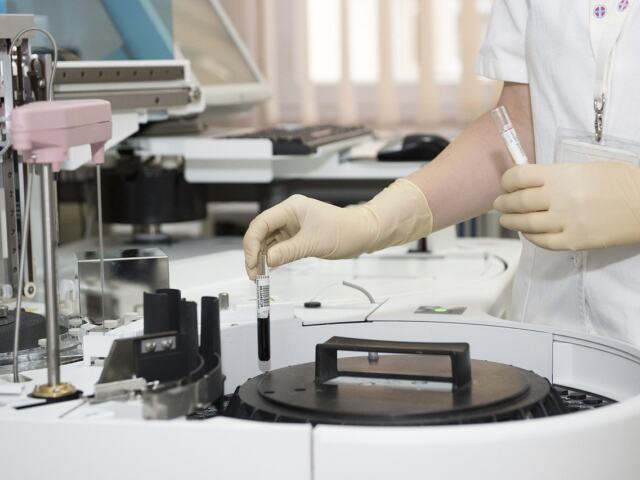
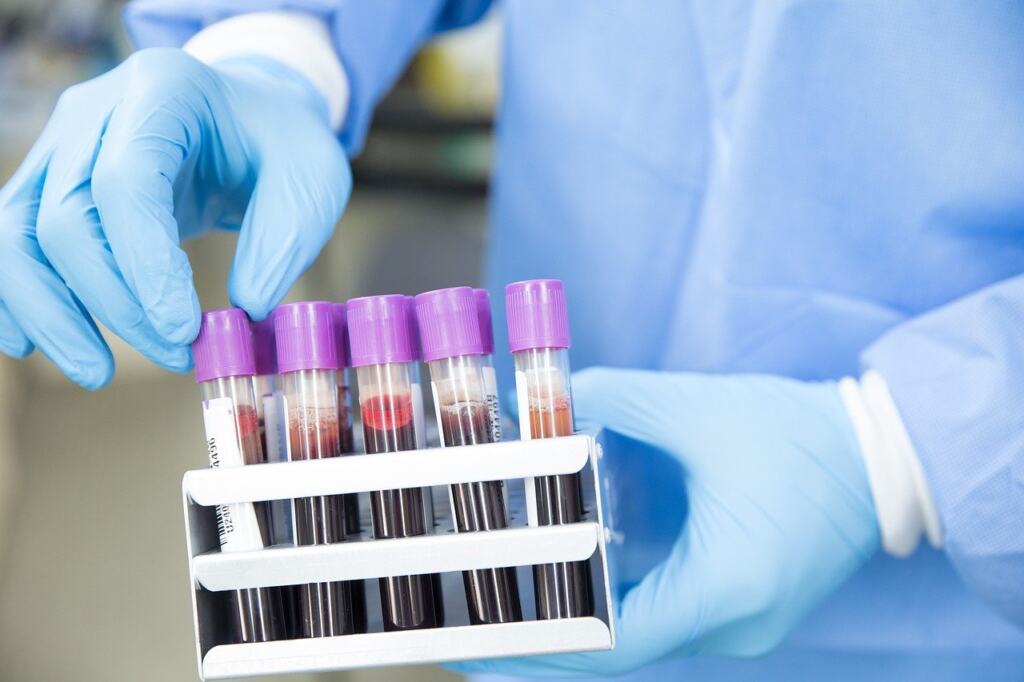
HIV testing is the gate to the whole process. NYU Langone states that you must complete your laboratory tests, including an HIV test, before treatment can begin. Expect the clinician to explain any further baseline tests when they order them, and ask for the list so you can plan one lab visit instead of several.
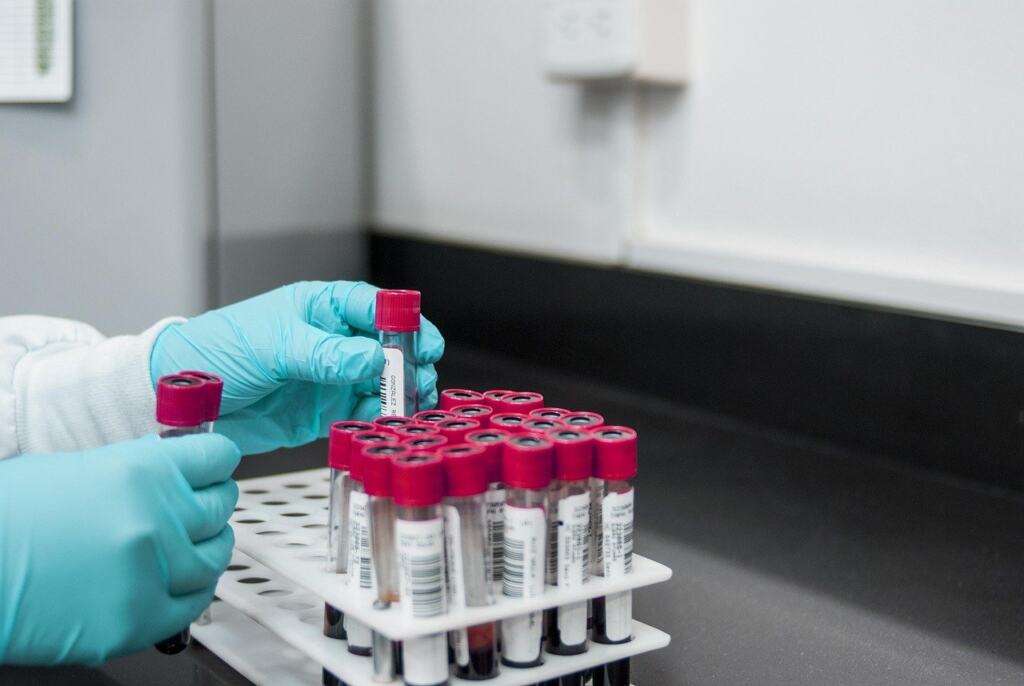
Testing does not stop once you start. ACOG says your doctor should do blood work about every 3 months to test for HIV and other STIs, and to check kidney and bone health. The McGregor Clinic likewise says routine kidney function and HIV tests are required while using PrEP. Treat the lab schedule as part of the prescription, not an optional extra, and book the next draw before you leave each visit.
Paying for PrEP, with or without insurance
Insurance is the first thing to check. ACOG states that most health insurance and Medicaid plans are now required to cover PrEP. Ask your plan or the clinic’s billing staff what your coverage includes, since coverage can extend to the visits and labs around the medication as well as the drug itself. Confirm that point with your plan rather than assuming it.
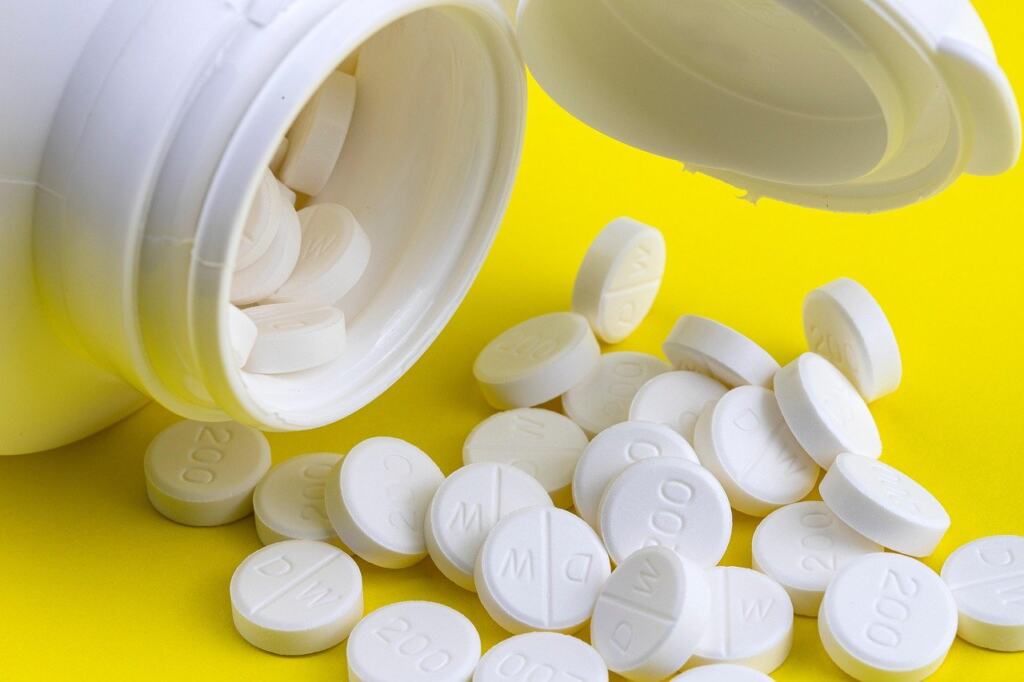
If you are uninsured or underinsured, ACOG advises looking into programs that help with the cost, so ask about assistance before you pay anything. Philadelphia’s health department says PrEP can be available to most Philadelphians for little to no cost, and its navigators exist to reduce costs and help with benefit applications. Starter packs at some clinics can bridge the time before longer-term help comes through.
Do not let a high quoted price end the search. Ask each clinic whether it has a navigator, an assistance program or a starter pack. The AFP guide mentioned above is a good checklist for the questions to ask.

Filling the prescription and when protection starts
Once your results are back and the clinician clears you, the prescription goes out. At NYU Langone, a prescription for PrEP is sent directly to your pharmacy after that point. Confirm which pharmacy the clinic has on file before you leave the visit, so the first fill is not delayed.
Do not rely on PrEP the day you collect it. ACOG explains that daily pills must be taken every day for at least 7 days to reach full effectiveness for anal sex, and for at least 20 days for vaginal sex and injection drug use. When taken correctly, PrEP lowers the risk of getting HIV from sex by about 99 percent, and from injected drugs by at least 74 percent. Use other protection until you pass those marks. Daily-pill routines are covered separately in oral PrEP for women how to take.
Staying on PrEP and stopping safely
NYU Langone’s program provides follow-up care every three months, including routine HIV testing. Plan around that rhythm: a regular visit, a regular blood test and a pharmacy refill that lines up with both.
If you want to stop, do not simply let the prescription lapse. ACOG advises waiting until it has been at least one month since your last possible exposure to HIV, and talking to your clinician before you go off PrEP.
Checkpoints from first call to follow-up
| Stage | What should happen | Planning use |
|---|---|---|
| First conversation | Doctor or clinic discusses PrEP and orders tests | If no lab order or referral comes out of the visit, move to a PrEP clinic or telehealth |
| Baseline labs | HIV test and other ordered labs completed | No prescription until results are back, so book the draw promptly |
| Prescription | Sent directly to your pharmacy after clearance | Confirm the pharmacy on file before you leave |
| Protection window | Daily pills taken for at least 7 days (anal sex) or at least 20 days (vaginal sex, injection drug use) | Use other protection until the window passes |
| Follow-up | Visit and routine HIV testing every three months | Book the next visit before you leave |
The stage details above draw on the NYU Langone PrEP program and ACOG’s PrEP overview.
Frequently asked questions
Does PrEP protect against other infections or pregnancy?
No. AIDS Free Pittsburgh states that PrEP does not protect against other STDs or against pregnancy, so you may still need other methods for those.
Do I need to be HIV-negative to start PrEP?
Yes. PrEP is for people who are HIV-negative, and the HIV test is a required step before treatment can begin, as NYU Langone’s program describes.
Can immigration status or lack of insurance block me from PrEP?
Not at every program. NYU Langone states PrEP is available to anyone regardless of immigration status, insurance access or ability to pay. Other clinics set their own rules, so ask on the intake call.