| Situation | Supported figure | Planning use |
|---|---|---|
| Men aged 19 to 30 | Adequate intake of total water is 3.7 L/day from drinking water, beverages and food. Fluids alone are 3.0 L (about 13 cups). | Treat it as a benchmark for food and all drinks together, not a plain-water target. |
| Women aged 19 to 30 | Adequate intake of total water is 2.7 L/day. Fluids alone are 2.2 L (about 9 cups). | Use the fluid figure as a loose daily guide and let meals cover the rest. |
| Water-rich foods | About 20% of total water intake comes from food rather than beverages. | Plain water does not have to carry the whole total. |
| Physical activity or hot environments | Total water needs are higher than the adequate intake. | Drink more on hot or active days instead of holding to a fixed number. |
| Pregnancy and breastfeeding | Adequate intake is 10 cups (80 oz) when pregnant and 13 cups (104 oz) when breastfeeding. | Start from a higher baseline than the general adult figures. |
These figures come from the National Academies water chapter and the Harvard Nutrition Source.
How much water should you drink a day? The National Academies set adequate total water intake at 3.7 L for men and 2.7 L for women aged 19 to 30, counting food and all drinks. It is a benchmark, not a requirement.
Hydration is one of the healthy daily habits that works best as a loose routine rather than a strict count. The sections below show what the numbers mean for your day, when to adjust them and how to reach them.
Total water versus plain drinking water
Total water intake is everything that delivers water to your body: plain water, other beverages and the water in food. The adequate intake figures describe that whole total, so they should not be read as a target for the water tap alone.
What food and other drinks contribute
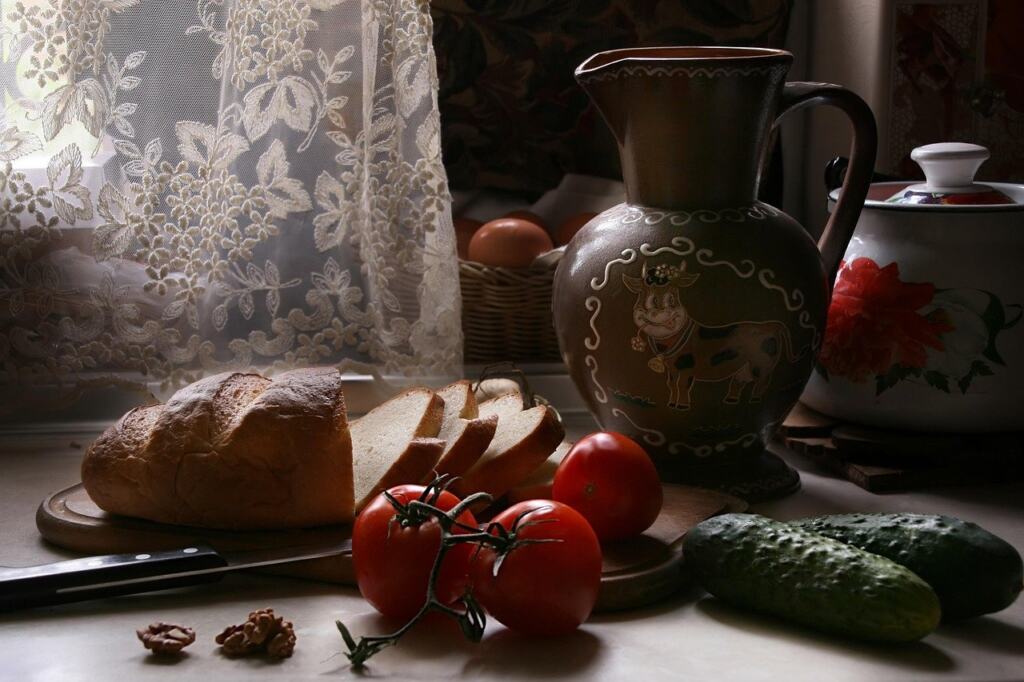
Fluids, meaning drinking water and beverages, made up approximately 81 percent of total water intake in the US survey behind the National Academies figures. Harvard’s summary puts the share from water-rich foods at about 20%. In practice, a typical day of meals already covers a meaningful slice of the target before you pour a glass.
The Academy of Nutrition and Dietetics states the total as about 11.5 cups per day for women and about 15.5 cups for men, including food. With food taken out, women need about nine cups of fluid per day and men about 13 cups. If you eat few fruits, vegetables or soups, expect to drink toward the higher end of those fluid figures.
Coffee, tea and other beverages
Harvard’s nutrition summary notes that caffeinated beverages including coffee and tea can contribute to total daily water intake. It also notes that high caffeine intake may increase urination in the short term. For a regular coffee or tea drinker, that means these drinks still count. Plain water simply fills whatever gap remains.
Testing the 8 glasses rule against the numbers
The 8 glasses rule is a convenient round number, but it is not a requirement. The National Academies state that the adequate intake should not be interpreted as a specific requirement, and that intake below it may not add risk for healthy people. A fixed glass count has even less standing than the benchmark it loosely resembles.
The same chapter acknowledges confusion among the general public and health care providers about the amount of water, partly from misinterpreted earlier recommendations. That helps explain why a simple slogan stuck. If a glass is the 8-ounce cup that Harvard uses when converting the figures, the benchmarks are 13 cups for healthy men and 9 cups for women. Eight glasses of plain water would sit near the women’s fluid figure and below the men’s. It also ignores coffee, tea and food, which all count.
So the rule is not harmful, but it is a poor fit as a universal target. It suits someone who drinks mostly water and wants a rough daily anchor. It suits a heavy coffee drinker, a very active person or a larger person less well, because it takes no account of what else they consume or lose.
When your needs rise above the benchmark
The adequate intake describes a typical healthy adult in ordinary conditions. The National Academies note that higher intakes of total water are required for people who are physically active or exposed to hot environments. Several other situations push the number up or change how you should approach it:
- Heat and exertion. Sweating raises water loss, so a hot day or a long workout calls for more than your usual routine, even if your thirst feels modest.
- Illness. The Academy of Nutrition and Dietetics notes that illnesses such as fever and diarrhea result in additional water loss, so extra fluid is sensible while you recover.
- Altitude and extreme temperatures. The same guidance lists higher altitude and extreme temperatures as added sources of loss.
- Pregnancy and breastfeeding. The Harvard figures of 10 cups (80 oz) and 13 cups (104 oz) are the adequate intakes for these stages, and the Academy lists both among the factors that change needs.
- Age, sex and overall health. These also shape how much water suits you, which is a reason to treat any single number as a starting point.
If you take medication, have a medical condition or are caring for an unwell person, personal advice from a health professional should override general figures.
Signs you are falling short
Dehydration is a shortfall in body water, and it can show up before you feel parched. Harvard notes that symptoms of dehydration may occur with as little as a 2% water deficit, so waiting for strong thirst is not a reliable plan on hot or busy days.
- Urine color. Harvard describes the amount and color of urine as a rough estimate of adequate hydration, with darker color indicating lower water volume. The Academy of Nutrition and Dietetics treats pale yellow as adequate and says dark yellow or amber means you may need to increase the amount you consume.
- Other cues. Henry Ford Health lists bright yellow urine, constipation, dizziness, headache and low energy as other signs of not drinking enough water.
Use urine color as a quick glance rather than a diagnosis. If pale yellow is your usual color, you are probably on track. If it is dark, add fluid through the day and check again.
How thirst and water balance work
Total body water averages approximately 60 percent of body weight, with a range from approximately 45 to 75 percent, according to the National Academies. Because that pool is large and constantly turning over, daily intake works as a steady top-up rather than a quota to hit by evening.
For most people, day-to-day hydration is maintained by the combination of thirst and the consumption of beverages at meals. That is why building drinks into mealtimes tends to work better than a mid-afternoon scramble. It also explains why the benchmark is framed as an adequate intake rather than a requirement.
Practical ways to drink more water
The most reliable way to drink more water is to tie it to cues you already have, such as meals, a desk or a bottle. Choose one or two of the options below rather than all of them.
- Keep a refillable bottle in reach. The Academy of Nutrition and Dietetics recommends a refillable bottle as an easy way to increase intake. A visible container turns drinking into a default.
- Use a simple volume plan. Harvard suggests filling a 20-ounce water bottle four times daily and sipping throughout the day for people whose thirst is unreliable.
- Sip on a timer. Henry Ford Health suggests taking a sip of water every 10 minutes throughout the day, which suits desk-based work better than gulping a large glass.
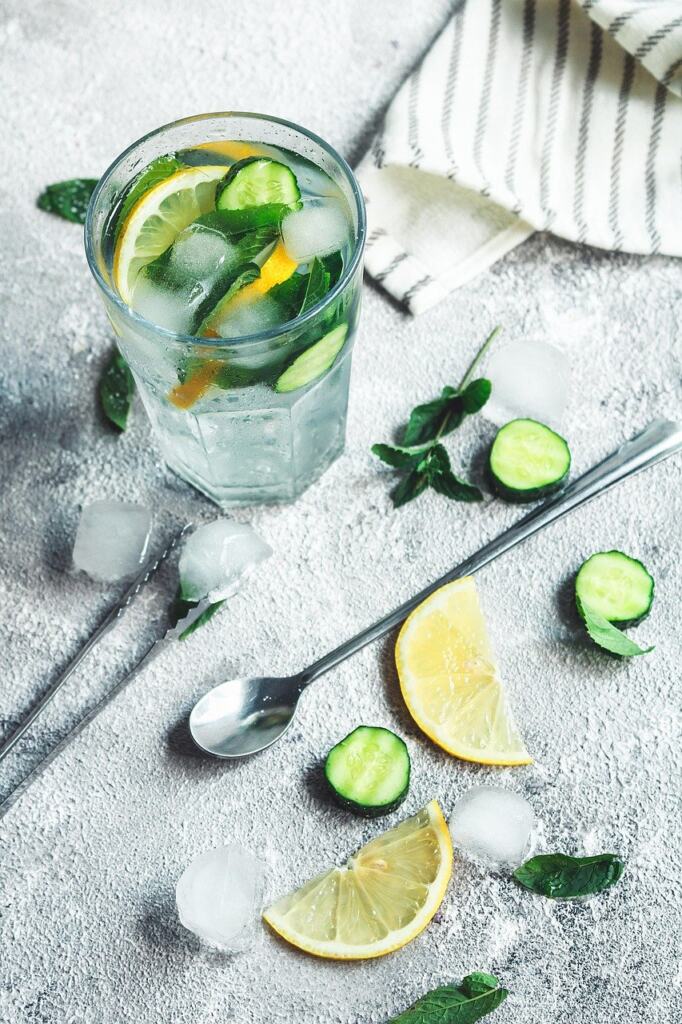
- Add flavor. Squeezing fresh lemon or lime juice into water or tossing in a couple of cucumber slices can make plain water more appealing without turning it into a sugary drink.
- Drink with meals. Because beverages at meals help maintain day-to-day hydration, a glass beside each plate is an easy habit.
Water-rich foods also count toward your total, and the guide on how much fiber do you need per day covers another side of eating more of them.
Frequently asked questions
Can you drink too much water?
Yes, though it takes rapid intake. The National Academies did not set a Tolerable Upper Intake Level for water because healthy people excrete excess water. Acute water toxicity occurs when intake exceeds the kidney’s maximal excretion rate of approximately 0.7 to 1.0 L/hour, so sipping steadily is safer than drinking a large volume at once.
Is thirst a good guide as I get older?
Less so. Harvard notes that as we age, the body’s regulation of fluid intake and thirst decline. Older adults are better served by a set routine than by waiting to feel thirsty.
How much water do children need?
Harvard gives an adequate daily intake figure for children, and it varies by age. Needs shift with age and activity, so the figure is a starting point rather than a fixed target.