Breathing exercises for stress work best when the breath is slow, deliberate and repeated regularly. Start with diaphragmatic breathing, then add a counted pattern when you want more structure.
Picture a tense moment: a heavy inbox, a tight chest, shoulders creeping toward your ears. You do not need equipment or a quiet retreat, only a technique that suits the moment. Here is the short version of the choice.
- Best starting point: diaphragmatic breathing, because it teaches the slow, low breath the other exercises rely on.
- Easiest to remember: equal-count breathing, with the same count on the way in and the way out.
- For a more structured rhythm: rectangular breathing, with an out-breath longer than the in-breath.
- For a dedicated session: counted breath meditation, which turns the breath into a point of focus.
These techniques sit alongside sleep, movement and other routines covered in our guide to healthy daily habits. This page stays with the breathing techniques themselves, with their counts and steps.
Diaphragmatic breathing
Diaphragmatic breathing, often called belly breathing, is the foundation technique and the best first choice if you have never practised any of these. CommonSpirit Health points out that most people do not naturally take deep belly breaths and instead tend toward shallow breathing. That is why the exercise can feel odd at first, and why it earns its place at the top of the list.
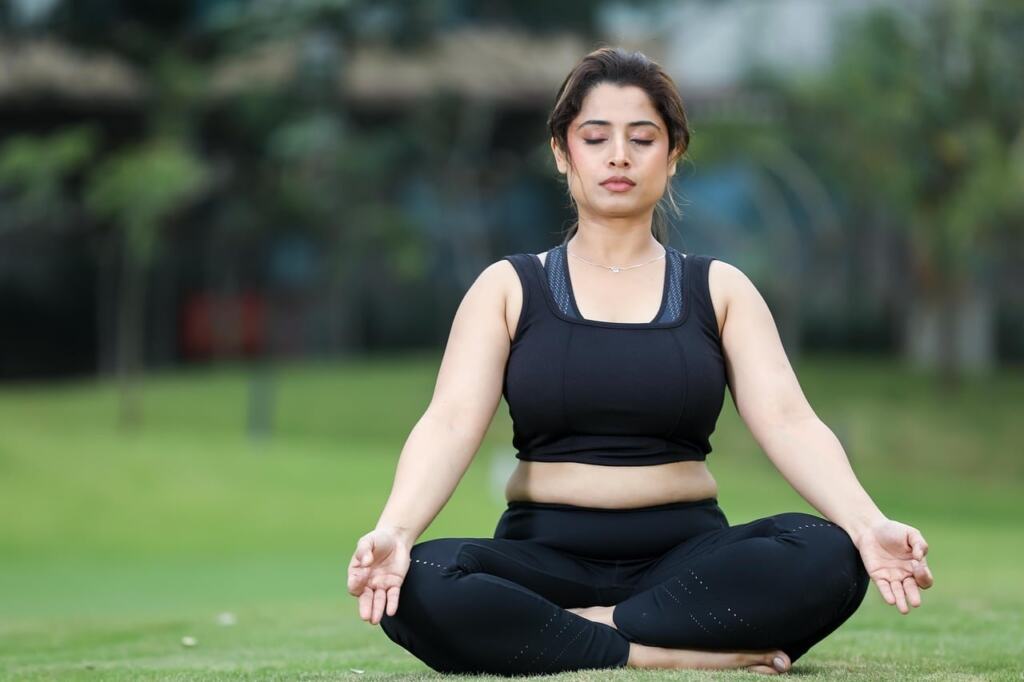
To do it, follow the hand-on-body method described by CommonSpirit Health:
- Settle into a comfortable seated or lying position.
- Place one hand on your belly and one on your chest.
- Breathe in slowly through your nose, letting your rib cage expand and your belly rise as your lungs fill with air.
- Exhale slowly.
The hands are not decoration. They give you feedback, so you can feel whether the breath is moving low in the body or staying high in the chest. This technique suits beginners, anyone who notices tight, shallow breathing under pressure, and people who want a calm-down routine at the end of the day.
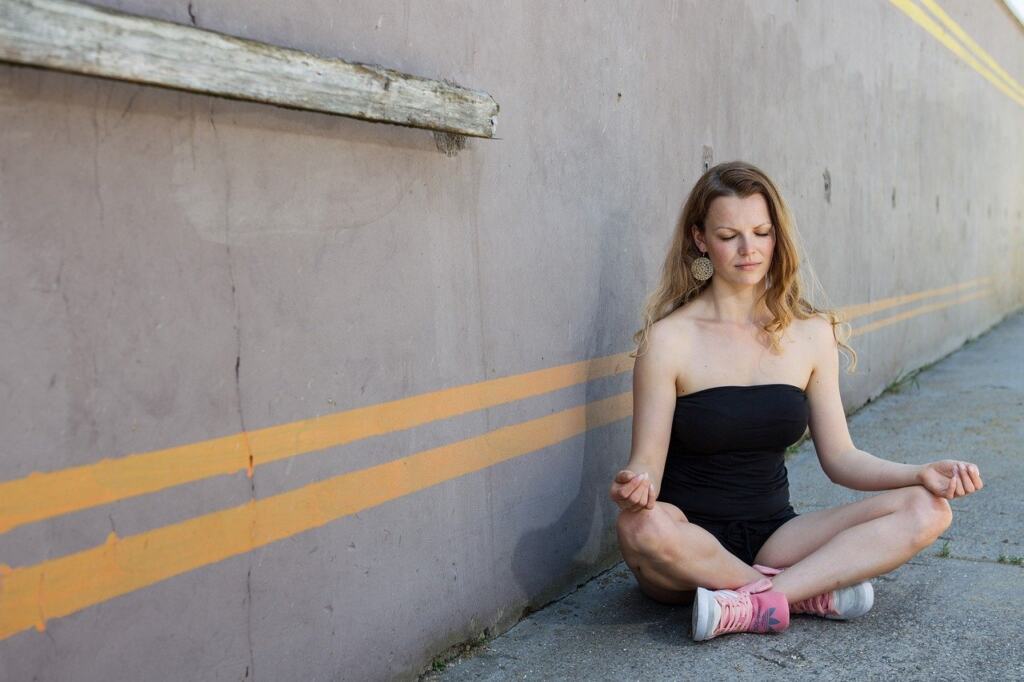
Its limitation is familiarity. CommonSpirit Health notes that it can take a little practice for the body to relearn and master the technique, and it advises against getting frustrated. If the first attempts feel clumsy, that is a normal part of learning rather than a sign the method is failing.
Equal-count breathing
Equal-count breathing is the simplest counted exercise and the one that is easiest to recall when you are already tense. CommonSpirit Health describes inhaling through the nose while counting to three, then exhaling through the mouth while counting to three, and repeating for several rounds.
The appeal is that there is almost nothing to remember. The count gives your mind a small job, which can be useful when thoughts are racing, and the nose-in, mouth-out pattern is easy to follow in a queue, at a desk or before a difficult conversation. It suits people who find belly breathing too fiddly or who want a pattern they can do with their eyes open.
The limits are mostly practical. A fixed count of three is a guide rather than a rule, and it does not replace the lower, fuller breath that diaphragmatic breathing teaches. Many people find the two combine well: use the belly-breathing action while counting.
Rectangular breathing
Rectangular breathing adds a longer out-breath, which makes it a good next step once equal counts feel mechanical. NHS Berkshire Healthcare describes breathing in for 5 seconds and out for 7 seconds, then repeating.
The same NHS page says the average adult takes around 15 breaths per minute when relaxed. That figure is a useful baseline: it tells you that a relaxed breath is already unhurried, and that a deliberate pattern like this asks you to be intentional rather than simply quick or slow. It suits people who like a defined rhythm and who want the out-breath to be the longer part of each cycle.
Count in seconds in your head at an even pace. If you run out of air before the count ends, shorten both numbers slightly rather than straining. The goal is a smooth, comfortable cycle, not a test of lung capacity.
Counted breath meditation
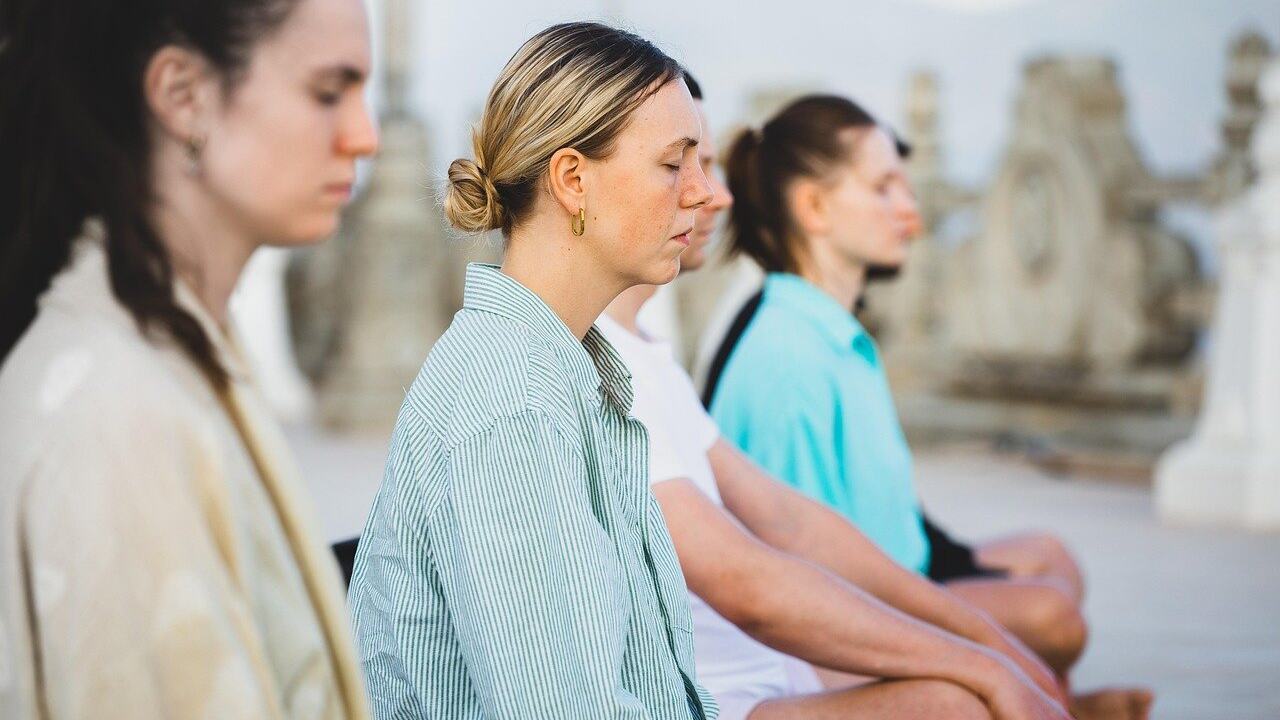
Counted breath meditation is the longer-session option, and it suits people who want breathing to double as quiet attention training. Harvard Health calls focusing your attention on your breath one of the easiest ways to reduce stress. To help with focus, it suggests silently counting inhalations and exhalations: in (one), out (two), in (three), and so on.
This format differs from the earlier exercises in purpose. The counts in rectangular breathing shape the breath, while here the counting simply keeps the mind anchored. It works well in a sitting session where you are not trying to do anything else, and it is a natural bridge into formal meditation. If that appeals, our guide to meditation for beginners covers how to build the habit.
The limitation is that a wandering mind is part of the experience. Treat each drift as a cue to return to the count rather than as failure.
Choosing between the techniques
The best breathing exercises for stress are the ones you will actually repeat, so the table below compares the three patterned techniques on what they ask of you and who they suit.
| Technique | Pattern | Suits | Watch for |
|---|---|---|---|
| Diaphragmatic breathing | One hand on belly, one on chest; slow breath in through the nose with belly rising; slow exhale | Beginners and people who breathe shallowly | Feels unfamiliar until practised |
| Equal-count breathing | In through the nose for a count of three, out through the mouth for a count of three | Quick resets in everyday settings | A fixed count is only a guide |
| Rectangular breathing | In for 5 seconds, out for 7 seconds, repeat | People who like a defined rhythm | Shorten the counts if you feel strained |
Patterns are drawn from CommonSpirit Health and NHS Berkshire Healthcare.
If you remember only one decision rule, make it this: learn the belly breath first, because the counted patterns work better when the breath already moves low in the body.
Does deep breathing lower stress?
Health organisations describe slow, deep breathing as a practical way to lower the body’s stress activity, though it is best treated as a self-help skill rather than a cure. CommonSpirit Health explains the logic. The stress response is the body’s fight-or-flight reaction, driven by the sympathetic nervous system, with a pounding heart and racing breath. Deep breathing summons the parasympathetic nervous system, also known as the rest-and-digest system, which helps stimulate relaxation.
NHS Berkshire Healthcare adds a physical reason to slow down: breathing faster when stressed can lead to dizziness, feeling faint, numbness and breathlessness. Slower breathing is therefore a way to interrupt a loop in which stress speeds the breath and fast breathing adds uncomfortable sensations.
The case for bothering is also practical. Harvard Health associates stress with poorer memory and more aches and pains, so reducing it is worth the effort. Set expectations accordingly: breathing exercises calm the moment and build a habit, and they work alongside other stress management rather than replacing it.
How often and how long to practise
Short, regular sessions are the sensible starting point. For breath meditation, Harvard Health suggests starting with 10 minutes in the morning and evening, then gradually increasing to 20 or 30 minutes. That guidance describes the sitting practice of counted breath meditation. The brief patterns above are fine in much shorter bursts, and you can build the longer sitting habit when you are ready.
Pairing the exercise with something you already do makes it stick. NHS Berkshire Healthcare recommends adding the breathing technique to your daily routine, for example before brushing your teeth or first thing in the morning. A regular anchor like that also means you have rehearsed the breath before you need it on a hard day.
Do not judge the exercise by the first few attempts. Because deep belly breathing is unfamiliar, patience matters more than perfection, and an unremarkable session still counts as practice.
Who should take care
Breathing exercises are gentle, but they should never leave you feeling worse. The symptoms NHS Berkshire Healthcare links to fast breathing under stress are dizziness, feeling faint, numbness and breathlessness. If you notice any of them during practice, stop forcing the breath, return to natural breathing and sit until you feel steady.

Be especially gentle if breathing already feels uncomfortable for you. Keep the breaths easy rather than as large as possible, shorten the counts if needed and practise seated. If symptoms keep returning, or you have a health condition that affects your breathing or circulation, ask a health professional before making the exercises a regular habit.
A quick decision checklist
- Start with the belly breath. If you have not tried diaphragmatic breathing, begin there and let the hands show you where the breath is going.
- Add equal counts for quick resets. Use the count of three in and three out when you need something short in an ordinary setting.
- Move to rectangular breathing for rhythm. Choose the longer out-breath when equal counts feel mechanical.
- Use counted breath meditation for a full session. Pick it when you have time to sit and want to practise focus as well as calm.
- Attach it to a daily anchor. Tie the practice to a routine such as morning or before brushing your teeth, then lengthen sessions gradually.
- Stop if you feel unwell. Dizziness, faintness, numbness or breathlessness means return to normal breathing.
Frequently asked questions
Why does belly breathing feel unnatural at first?
Most people do not naturally take deep belly breaths and tend to breathe shallowly, according to CommonSpirit Health. The body has to relearn the pattern, so a little practice is normal and frustration is unnecessary.
Is counting breaths a form of meditation?
Yes. Harvard Health describes breath meditation as focusing attention on the breath, with silent counting of inhalations and exhalations to help you stay focused.
Can reducing stress help sleep and blood pressure?
Harvard Health says reducing stress helps you sleep more restfully and control high blood pressure. Breathing exercises are one low-effort way to work on stress, alongside other habits.