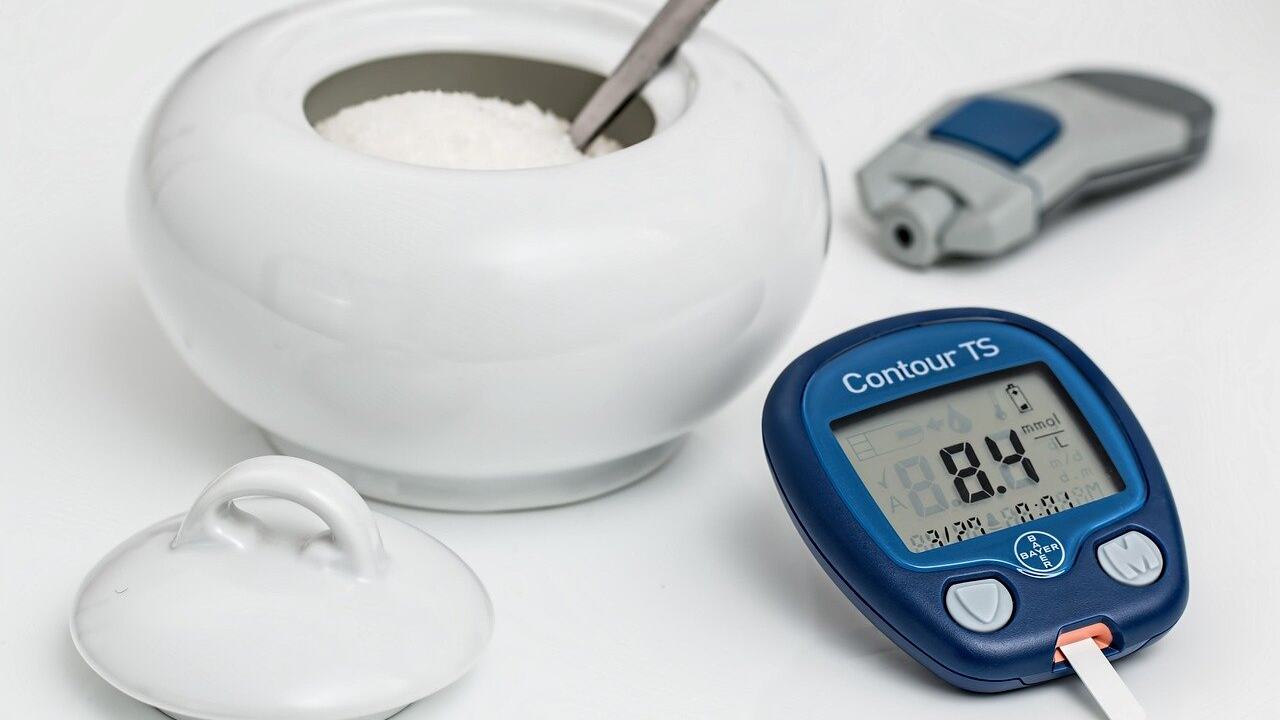
Quick answer: Adults who are overweight, have a family history of diabetes, high blood pressure or hyperlipidemia, or symptoms such as excessive thirst and urination are the clearest answer to who should be screened for type 2 diabetes.
Starting point: if any of those apply, ask a clinician about a blood test. The baseline adult interval the American Diabetes Association (ADA) has recommended is every three years, with shorter intervals for high-risk people, according to a 2003 U.S. Preventive Services Task Force (USPSTF) statement. Because that statement dates from 2003, confirm current criteria with your own clinician.
For the wider picture of which checks fall at which stage of life, see our overview of preventive health screenings by age.
Who qualifies for screening
The USPSTF’s 2003 statement found the evidence insufficient to recommend for or against routinely screening asymptomatic adults, so the practical question is which adults carry enough risk to justify a test. The same statement points to several groups.
Adults with high blood pressure or abnormal blood lipids
The USPSTF recommends screening for type 2 diabetes in adults with hypertension or hyperlipidemia, a Grade B recommendation in that statement. It adds that patients at increased risk for cardiovascular disease may benefit most, and that clinical judgment applies where the benefit of routine screening is not proven. Lipid results are one trigger for testing, so pair this guide with the answer to how often should you get cholesterol checked.
Adults who are overweight or have a family history
Guidance from the same task force names people who are overweight, have a family history of diabetes, or have a higher-risk racial or ethnic background as groups at increased risk. If any of these describe you, raise screening at your next routine visit rather than waiting for symptoms.
Adults with symptoms
Symptoms change the question from screening to diagnosis. The USPSTF says clinicians should be alert to symptoms suggestive of diabetes, namely polydipsia (excessive thirst) and polyuria (frequent urination), and should test anyone with them. Do not hold off until a scheduled screening date.
Adults with no risk factors and no symptoms
This group falls outside the specific groups the 2003 statement singles out, and the evidence for routine screening of asymptomatic adults was judged insufficient. A short conversation about risk at routine visits is the sensible step, and it is worth repeating if your weight, blood pressure or lipid results change.
Diabetes risk factors checklist
Match yourself against the list below, which draws on the USPSTF’s named groups and the ADA’s weight guidance. Each item is a reason to ask about testing.
- Excess weight: the ADA notes that added weight increases the chances of prediabetes, type 2 diabetes and heart disease. Its health-check guidance for people with diabetes sets a body mass index (BMI) target of 18.5 to 24.9 and checks BMI at every visit, a useful reference point for your own number.
- Family history of diabetes: named by the USPSTF as a marker of increased risk.
- Racial or ethnic background linked to higher risk: also named in the same USPSTF statement.
- High blood pressure (hypertension): a Grade B screening trigger in that statement.
- Hyperlipidemia: the other Grade B trigger.
- Increased cardiovascular risk: these patients may benefit most from screening.
- Symptoms: excessive thirst and frequent urination call for a test regardless of other factors.
Several items together make a stronger case for asking about shorter retest intervals, which the ADA reserves for high-risk people.

Choosing a screening test
Recommended tests include fasting plasma glucose, hemoglobin A1c, or 2-hour oral glucose tolerance test. The right choice depends on convenience and on what each test can miss, as the USPSTF statement describes.
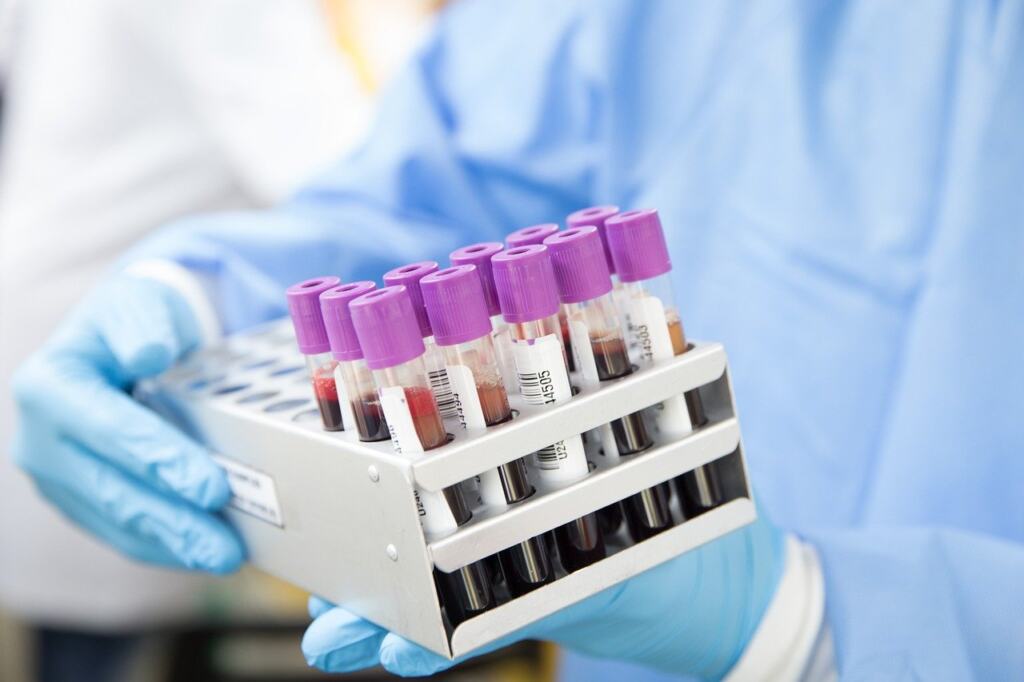
- Fasting plasma glucose (FPG): the ADA recommended FPG for screening, with a cut-point of 126 mg/dL. It described the test as easier, faster and less expensive than the alternatives. It suits a first screen when you can attend a lab after fasting.
- Hemoglobin A1C: reported as a percentage. At the usual cut-points it is less sensitive in detecting lower levels of hyperglycemia, which matters if you are being tested because of several risk factors rather than obvious symptoms.
- 2-hour oral glucose tolerance test: takes a plasma glucose reading 2 hours after an oral glucose load. It is the most involved of the options.
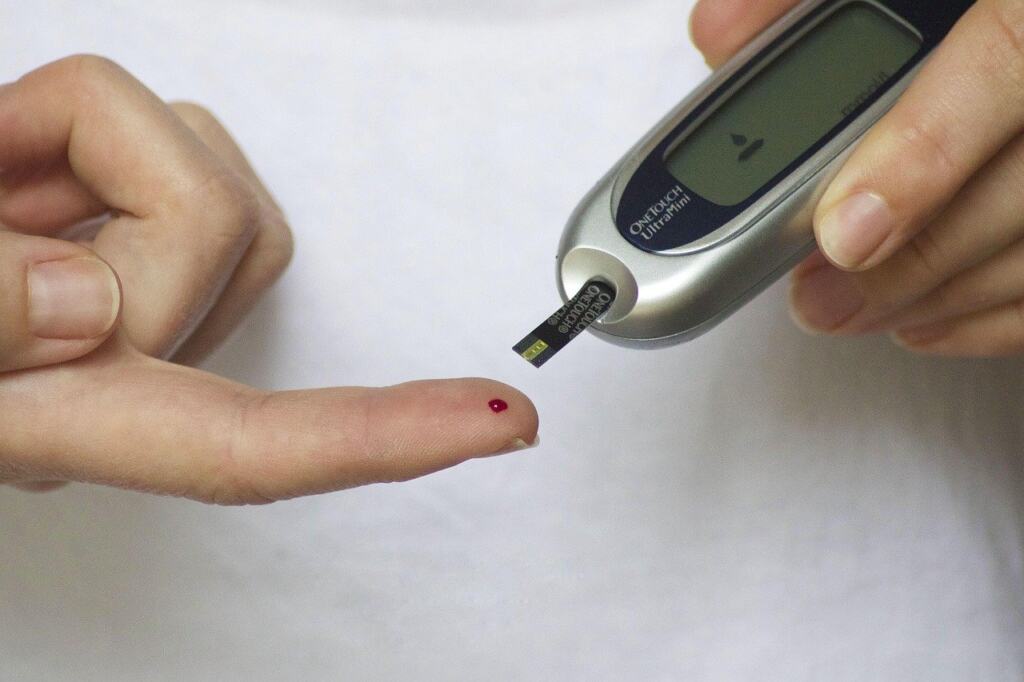
- Random finger-prick (capillary) glucose: showed reasonable sensitivity, 75% at a cut-point of 120 mg/dL, and is interpreted by age and time since the last meal, so the number alone says little.
All figures in this section come from the 2003 USPSTF statement except the list of recommended tests, which is described by Children’s Hospital of Philadelphia.
Reading A1C, fasting glucose and 2-hour results
An A1C below 5.7% is considered normal, 5.7 to 6.4% is prediabetes, and 6.5% or higher indicates diabetes. The glucose-based tests use their own ranges, summarised below.
| Test | Prediabetes | Diabetes | Planning use |
|---|---|---|---|
| Hemoglobin A1C | 5.7 to 6.4% | 6.5% or higher | Compare the percentage on your lab report to these bands; below 5.7% is normal. |
| Fasting plasma glucose | 100 to 125 mg/dL | 126 mg/dL or higher | Measured while fasting, so book the draw accordingly. |
| 2-hour oral glucose tolerance test | 140 to 199 mg/dL | 200 mg/dL or higher | The reading is taken 2 hours after the oral glucose load, so allow time for the full visit. |
A1C bands are from the American Diabetes Association, and the glucose ranges are from Children’s Hospital of Philadelphia.
A prediabetes-range result is a signal to act on risk factors, not a diagnosis of diabetes. A result in the diabetes range calls for confirmation, covered under troubleshooting below. Use the table as a map for reading your report, and let your clinician interpret it alongside your risk factors.
How often to test
The ADA has recommended screening adults every three years, on the basis of expert opinion, with shorter intervals in high-risk persons, as described in the USPSTF’s 2003 statement. Treat three years as the baseline schedule, not a target to stretch.
- Lower-risk adults: follow the baseline interval and revisit your risk checklist at routine visits.
- Higher-risk adults: ask your clinician what shorter interval fits your situation, since the guidance does not fix one number for everyone.
- Anyone with symptoms: test when symptoms appear instead of waiting for the next scheduled screening.
Blood sugar testing is one of several age-linked checks. If you are planning your next round of appointments, colorectal cancer screening options are another item worth scheduling.
Lowering risk after an elevated result
Lifestyle change is the supported response to a result in the impaired range. The USPSTF’s 2003 statement says intensive programs of lifestyle modification, meaning diet, exercise and behavior, should be considered for people with impaired fasting glucose. Ask your clinician about structured programs rather than relying on advice alone.
Everyday activity is the easiest component to start with, and it fits alongside the weight guidance in the risk checklist above.

Troubleshooting unclear results
Unclear results are common, and the supported fixes are repeat testing and careful interpretation.
- A high or borderline reading: the ADA recommends confirming a diabetes diagnosis with a repeated FPG test on a separate day, especially for borderline results. Do not act on a single high number.
- Tests that seem to disagree: A1C is less sensitive than FPG at usual cut-points for lower levels of hyperglycemia, which is one reason a normal A1C can sit beside a prediabetes-range glucose.
- An elevated finger-prick reading: interpret it by your age and time since last meal, then follow up with a laboratory test rather than treating the meter number as final.
These points come from the 2003 USPSTF statement.
Frequently asked questions
Can the 2-hour glucose test give a different answer from fasting glucose?
Yes. The USPSTF statement notes that the 2-hour plasma glucose test may lead to more individuals being diagnosed as diabetic than FPG does.
What changes once diabetes is already diagnosed?
The question shifts from screening to monitoring. The ADA lists A1C testing every six months if your last A1C was in goal range, and every three months if medications changed or you are not in range.
What is the fasting glucose cut-point in mmol/L?
The ADA’s FPG screening cut-point of 126 mg/dL equals 7 mmol/L, as given in the USPSTF statement.