| Stage of the visit | What typically happens | Planning use |
|---|---|---|
| Before you arrive | You note questions and gather your health history, changes and concerns. | Write questions down so they are not forgotten once the visit starts. |
| History review | Your clinician asks about lifestyle, sexual activity, diet, alcohol, smoking and exercise. | Answer plainly; the details shape which tests are suggested. |
| Vital signs | Heart rate, blood pressure and weight are checked, and height and weight give your BMI. | Ask for your readings so you can compare them from year to year. |
| Hands-on exam | Heart, lungs, mouth, ears, lymph nodes and skin are examined head to toe. | Mention any lump, rash or symptom you have noticed before this step. |
| Labs and screenings | Urinalysis, a blood count or blood chemistry may be ordered, plus age-based screenings. | Ask which tests are routine for you and which are optional. |
| Wrap-up | Results are reviewed, and abnormal findings may lead to a follow-up. | Leave knowing how and when you will hear about results. |
The order above reflects visit descriptions from NewYork-Presbyterian and Cleveland Clinic; exact steps vary by clinic.
What happens at an annual physical exam follows a predictable order: history questions first, then vital signs and a hands-on exam, with lab tests sometimes added. Expect a basic exam for everyone, tailored to age and history.
The sections below follow the visit in sequence, from preparation to wrap-up, and then cover how often to go. For the wider picture of which tests belong at which stage of life, see our guide to preventive health screenings by age.
Before the visit
An annual physical is described by NewYork-Presbyterian as a key part of managing your preventative care, and it is a good fit for people who feel well. Wake Forest’s primary care team advises regular checkups even when you feel fine, and notes that the only way to find out whether you have high blood pressure is to have it checked regularly. A symptom-free year is therefore a reason to go for a check, not to skip it.
A little preparation makes the appointment more useful. NewYork-Presbyterian suggests noting any questions beforehand and writing them down.
- Write your questions. Put the most important ones at the top so they get covered even if time runs short.
- Review recent changes. Think about changes or concerns in your health since the last visit, because the first part of the appointment is a conversation about exactly that.
- Note your habits. Be ready to talk about diet, alcohol, smoking and exercise.
- Know your provider. Your primary care provider may be a physician, a physician assistant or a nurse practitioner, according to Cleveland Clinic.
Check-in and medical history
The visit begins with talk before touch. Cleveland Clinic describes the appointment as two main parts: a conversation about your recent health history, changes or concerns, and a physical exam. NewYork-Presbyterian adds that the physician then moves on to the physical examination, so the history discussion comes first.
Expect questions about lifestyle, sexual activity, diet, alcohol consumption, smoking and exercise habits. These are not judgements. They help your clinician decide which screenings and counseling are relevant to you.
Making the history useful
Give specifics rather than general reassurance. Saying “I feel fine” is less helpful than naming a new ache, a change in sleep or a family health event. If you take medicines or supplements, bring the list so the clinician can see the whole picture.
Vital signs
Vital signs are the quick measurements that open the physical part of the visit. According to CBW Community Health Center, the visit includes checking your vitals, including heart rate, blood pressure and weight. Depending on your age, vision and hearing may be checked as well.
Height and weight are measured too, and Cleveland Clinic notes that your provider uses them to calculate your body mass index (BMI). Blood pressure deserves particular attention. High blood pressure can go unnoticed without a reading, so this step is among the most practical reasons to attend.
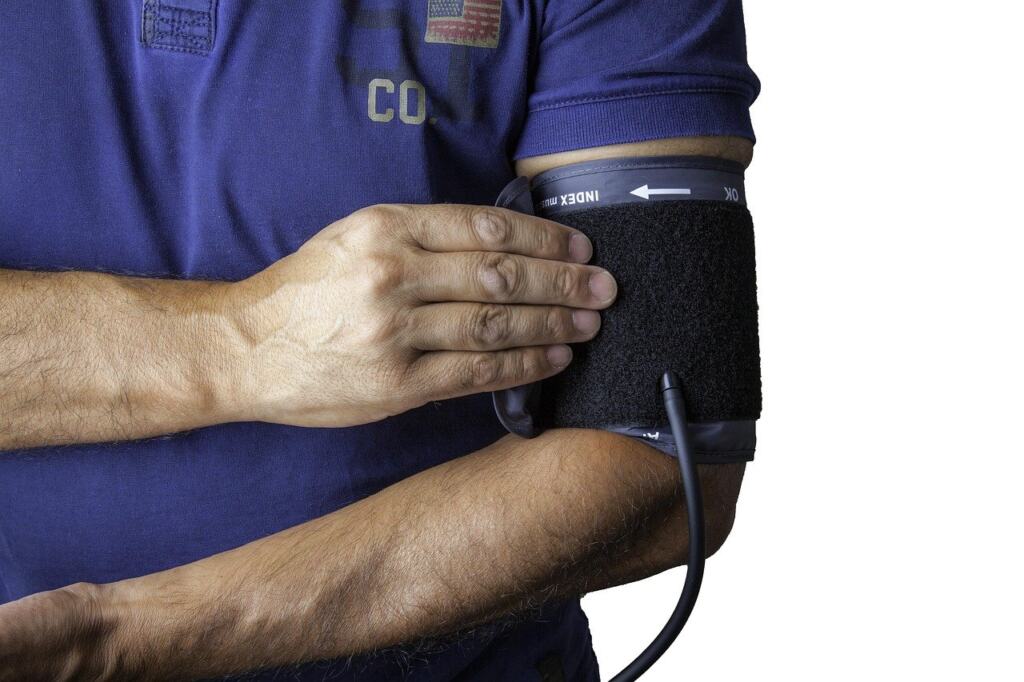
Ask what your numbers were and whether any need watching. Having them in your own records makes year-to-year changes easier to spot.
The hands-on exam
After the measurements, the clinician examines you. Cleveland Clinic says a basic exam is done on everybody, with additions based on age and history. The head-to-toe portion includes checking your pulse, listening to your heart and lungs, and checking your mouth and ears. Lymph nodes and skin are looked at, and the clinician checks for swelling in the extremities.

Tailoring the exam
Because the exam is adjusted to age and history, two adults can leave with different experiences of the same appointment. If something specific worries you, say so before the exam starts so the clinician can look at it directly. Some screenings, such as abdominal aortic aneurysm screening, depend on age and history, so ask whether any apply to you.
Lab tests and screenings
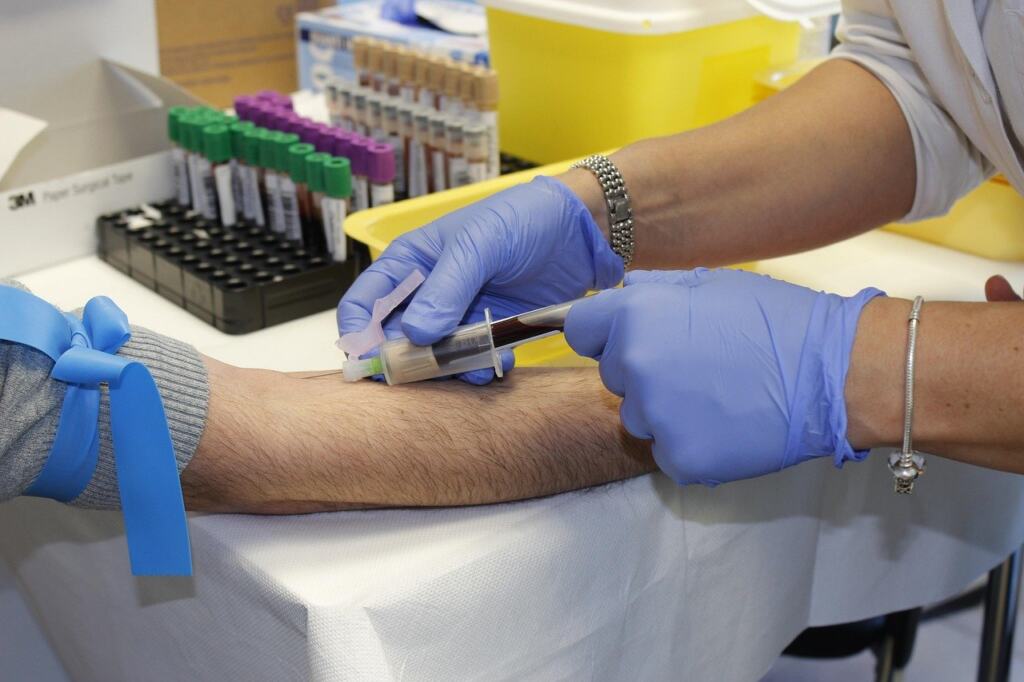
Lab work is not automatic at every visit. NewYork-Presbyterian says that sometimes your doctor will order lab tests like urinalysis or a blood count. Cleveland Clinic explains that blood tests can show how well your organs are working, with cholesterol, electrolytes and blood sugar among the measures.

Routine versus optional
Think of the vitals, history conversation and physical exam as the routine core. Blood and urine tests, and screenings that depend on your age, are the part to discuss rather than assume.
The U.S. Preventive Services Task Force (USPSTF) makes evidence-based recommendations about preventive services such as screenings. Its recommendations apply to patients without signs or symptoms of the condition in question and cover more than 80 topics across the lifespan. It is a useful reference when you ask whether a given screening makes sense for you.
Two examples show why age matters. CBW Community Health Center says all adults should begin regular colorectal cancer screening by age 45, earlier with risk factors. Wake Forest highlights colon cancer screening especially for people ages 50–75, and lists a breast exam every 3 years for women ages 20–39 and every year for women 40–64. If you are near one of these ages, raise it at the visit.
Wrap-up and follow-up
Before you leave, confirm how results will reach you. NewYork-Presbyterian notes that your primary care provider may follow up with you about any abnormal test results or concerns. That can mean a return visit for additional testing, which is a routine step rather than a cause for alarm.
Use the last few minutes to restate what you agreed to do, such as scheduling a screening or repeating a measurement. Our preventive care checklist by age can help you turn that conversation into a plan.
Questions to bring to your appointment
A written list turns the visit from a ritual into a conversation. The prompts below follow the stages of the visit, so you can raise them at the moment they fit.
- On history: Which of my habits or family health events should shape my screening choices?
- On vitals: What were my blood pressure, heart rate and BMI, and is anything worth tracking?
- On the exam: Is there anything you noticed that I should watch for?
- On tests: Which blood or urine tests, if any, do you recommend for me today, and which screenings are due at my age?
- On follow-up: How will I hear about results, and what would prompt a return visit?
- On timing: When should I schedule my next physical, given my age and history?
How often to schedule a physical
There is no single formula. Cleveland Clinic says there isn’t an exact formula for how often to see your primary care provider when you are feeling good, so the interval is set with your provider based on age and history. The ranges below are common reference points, not rules.
| Group | Typical interval | Planning use |
|---|---|---|
| Healthy adults in their 20s and 30s | Every two years or so | Book a visit even without symptoms, but a yearly slot is not required. |
| Men 18–49 | Every 2 years | Treat this as a minimum and ask your clinician if you need more. |
| Men 50 and older | Every year | Align the visit with age-based screenings. |
| Women 40–64 | Every 1 to 5 years | The range is wide, so agree an interval based on your history. |
| Adults 40 and older | A regular occurrence | Make the visit a fixed habit rather than an occasional one. |
These intervals come from Cleveland Clinic, which quotes a physician on age bands, and Wake Forest, which cites NIH minimums.
Lean toward more frequent visits if you have ongoing conditions or a concerning family history, and toward less frequent ones when you are younger and well. In both cases, the choice is worth making explicitly with your clinician.
Frequently asked questions
Do I have to see a doctor for my physical?
Not necessarily. Cleveland Clinic notes that your primary care provider might be a physician, a physician assistant or a nurse practitioner.
Is a physical the same as a sick visit?
No. According to CBW Community Health Center, annual checkups are not only for when you are sick. They are a preventive visit built around history, vitals and an exam.
Will I need blood tests every time?
Not always. Lab tests such as urinalysis or a blood count are ordered sometimes, so ask at the visit whether any are advised for you that year.