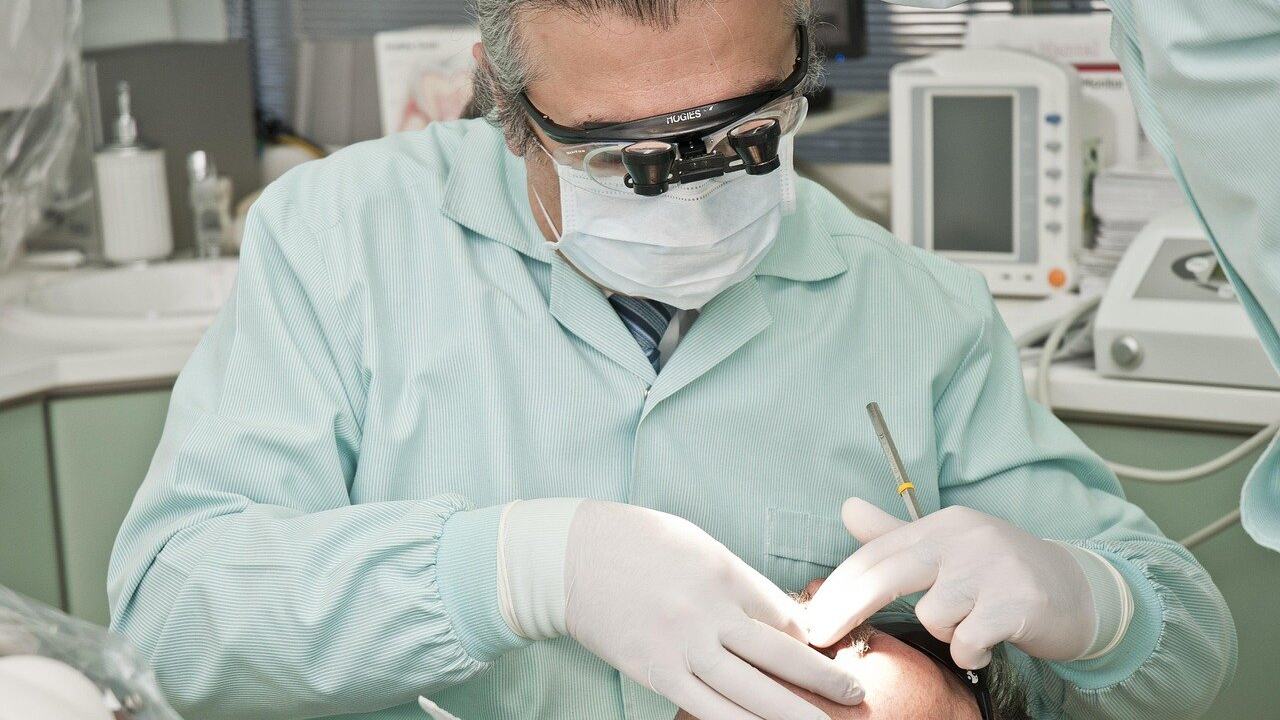
How often should you go to the dentist? About every six months is the common average, but your dentist may recommend more or less often based on your periodontal condition, medications and dental work.
Maybe your last cleaning was a while ago and you are not sure whether you are overdue. The sections below match common situations to an interval you can discuss with your dentist. For the wider calendar, see our guide to preventive health screenings by age.
Choosing a visit interval
The six-month average
Dental guidance often lands on an average of every six months, and the same source stresses that frequency varies by individual. The dentist sets the interval by looking at your periodontal condition, your medications and any dental work in your mouth. Treat six months as a starting point to confirm at your next appointment. It is not a rule that overrides what your own mouth needs.
A useful question for your dentist is: “What interval do you recommend for me, and why?” The answer tells you whether you are on the standard schedule, a shorter one or a longer one.
When a longer gap is reasonable
Some people with healthy mouths can stretch the interval. One dental practice states that the maximum recommended gap between visits is two years regardless of risk level, and that low-risk patients may extend to every 24 months. That is a ceiling, not a target, and it only makes sense if your dentist has told you that you are low risk.
Another practice says a cleaning once a year is acceptable only for people with no underlying health conditions such as diabetes or heart disease. If you have such a condition, do not drift to a yearly schedule on your own. If you cannot remember your last gum check, book a visit rather than waiting for symptoms.
Who needs more frequent dental visits
Some people benefit from visits every three to four months. The table sorts common situations by the interval to discuss with your dentist and the reason behind it.
| Your situation | Interval to discuss | Why it matters |
|---|---|---|
| Active gum disease | Every three to four months | Listed among the groups that benefit from more frequent visits. |
| Diabetes or another condition that affects oral health | Every three to four months for diabetes; ask your dentist about the others | Diabetes, osteoporosis, HIV/AIDS and Alzheimer’s disease can affect oral health. |
| Pregnancy | Every three to four months is an option to discuss | Checkups at the beginning of and during pregnancy help protect maternal and infant health. |
| Hormone changes (menstruation, menopause, hormone therapy) | Ask your dentist | Hormone fluctuations raise the risk of periodontal disease and TMJ disorder in women. |
| Children | First visit when the first tooth comes in, or no later than the first birthday; about every six months after | Early visits establish a routine before problems appear. |
These figures come from a dental practice’s guidance on visit frequency and CareCredit’s overview of dental exams.
Gum disease and deep cleaning
Periodontal disease is the clearest reason to shorten the gap. Patients with periodontitis often need cleanings every three to four months, and a deep cleaning involves scaling and root planing, often over more than one appointment. If your dentist proposes a deep cleaning, ask how soon to return afterwards, since the maintenance interval is part of the treatment.
Lifestyle factors
Smokers and people with high sugar intake may need more frequent visits because of a higher risk of decay and gum disease. This is a prompt to raise your habits with the dentist, who can then judge whether a shorter interval is worth it for you.
What happens at a checkup and cleaning
A routine visit combines an examination by the dentist with a professional cleaning. The cleaning is usually done by a dental hygienist, although some dentists prefer to do it themselves. Knowing the order removes most of the mystery.
The exam
The dentist checks your teeth and gums, and may also examine your mouth for periodontal disease and other health concerns. This is the part of the visit that catches problems early, so it matters even if nothing hurts.
The cleaning
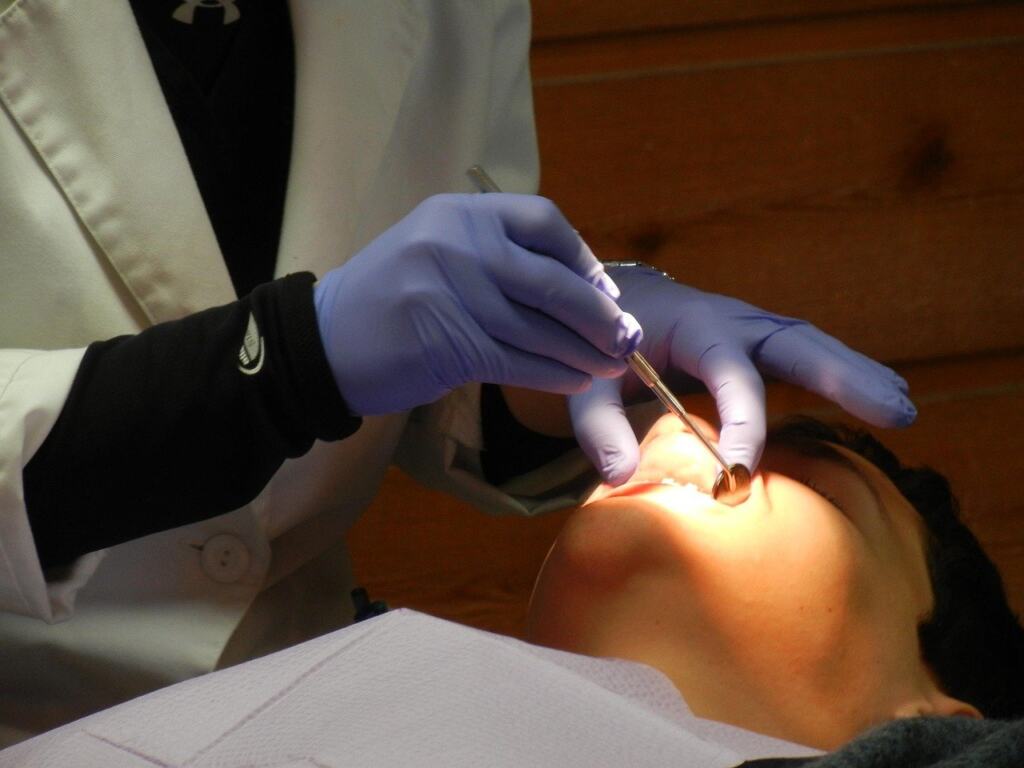
A routine cleaning, known as dental prophylaxis, follows a set sequence: scraping away plaque and hardened tartar, flossing or ultrasonic scaling, then polishing. Professional cleanings remove plaque and tartar that cannot be eliminated by brushing alone. Home care and visits therefore do different jobs, and neither replaces the other.
Dental X-rays: every visit or only when needed
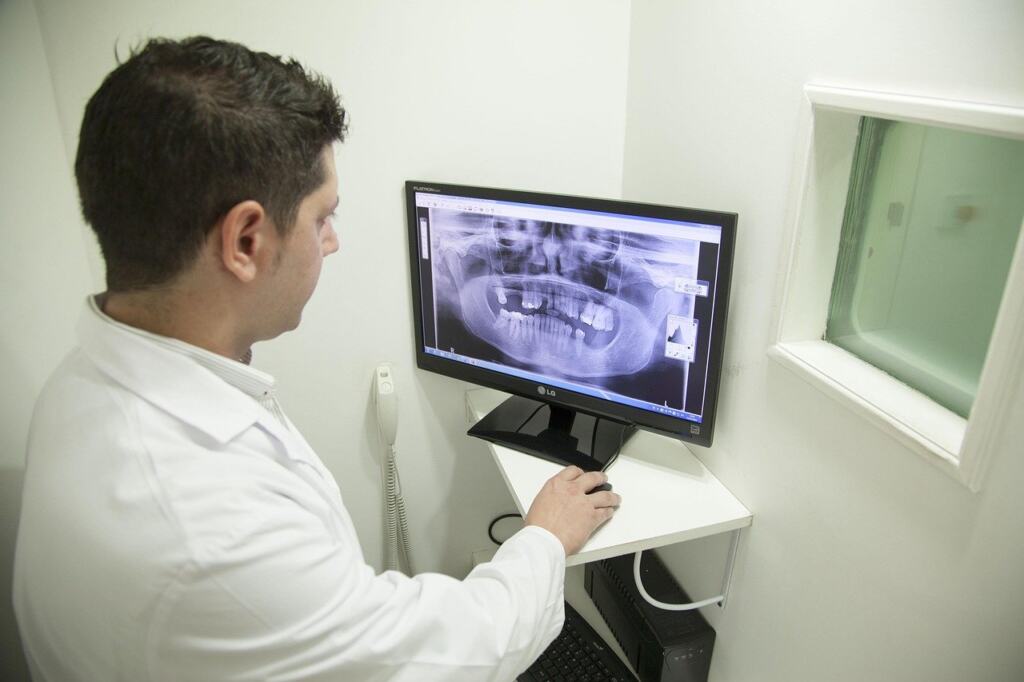
X-rays are not an automatic step. At the start of an exam, the dental team may take X-rays to get good pictures of your teeth and roots, which helps find cavities or other problems that cannot be seen directly. The wording matters: “may” describes a clinical decision, not a fixed requirement at every appointment.
If you are asked for images, ask what the dentist is looking for and how that relates to your history, such as past decay, gum disease or recent dental work. When you move to a new dentist, you can also ask whether existing images will do before new ones are taken.
The oral cancer exam most patients never notice
Yes, the dentist checks for oral cancer, and it is often done so quietly that patients do not register it as a separate step. At routine checkups the dentist examines your lips, tongue, throat and neck for any unusual changes. Regular exams may reveal signs of oral cancer or systemic health issues linked to oral health. This is what makes an oral cancer screening at the dentist one of the less visible benefits of keeping appointments.
A screening at a visit does not replace your own attention in between. Report a spot or sore that does not look or feel right in your mouth rather than waiting for the next scheduled checkup. Visual checks for changes also matter on the skin, and our guide on how often should you get a skin check covers that side.
Fitting dental visits into your wider screening plan
Dental visits run on an interval set by your mouth, while other screenings follow their own criteria. Some, such as abdominal aortic aneurysm screening, depend on factors unrelated to your teeth. Keep a single list of what is due and when, and bring up any new medication or diagnosis at your dental visit, because medications and health conditions can change the interval your dentist recommends.
Frequently asked questions
| Question | Answer |
|---|---|
| How long does a routine cleaning take? | A routine cleaning takes about 30 minutes and is fairly painless. A deep cleaning is different: it involves scaling and root planing and may be spread over more than one appointment. |
| Does insurance cover dental visits, and what does an exam cost? | Insurance plans typically cover two preventive dental visits annually. Without coverage, a dental exam typically ranges from $50 to $300 or more, so check your plan before booking. |
| Is the six-month schedule a firm rule? | No. It is an average, and the right interval depends on your own risk. Your dentist may shorten it for gum disease or lengthen it if you are low risk. |