Your adult vaccine schedule centers on a yearly flu shot, a Td booster every 10 years after one Tdap, shingles vaccine from age 50 and pneumococcal vaccine from 65, plus extras for health conditions.
Picture a routine appointment where the clinician asks what you have already had. This checklist is built to be compared with the current CDC adult table and your own record, and it sits alongside our guide to preventive health screenings by age.
Adult vaccine checklist at a glance
The table covers the vaccines that depend most on age and timing. Use it to spot which rows apply to you, then confirm details against the official CDC table.
| Vaccine | Who it is for | Interval or dose pattern | Planning use |
|---|---|---|---|
| Influenza | Adults, every flu season (usually October to March) | Once a year | Schedule it ahead of the season rather than treating last year’s shot as current. |
| Tdap, then Td | All adults | One Tdap dose, then a Td booster every 10 years | Write down the date of your last tetanus-containing shot to know when the next is due. |
| Shingles (Shingrix) | Adults age 50 and older | Two shots, the second 2 to 6 months after the first | Start the series early enough to fit in the second shot. |
| Pneumococcal | All adults 65 or older; adults 19 to 64 who are at risk | One-time revaccination if vaccinated under 65 more than 5 years earlier | Check your age band first, then your risk conditions. |
| MMR | People born during or after 1957 | At least one dose unless immunity is documented | Look for proof of a dose or documented immunity. |
| HPV | Adults up to age 26 | Per the CDC table | Ask about it in your twenties if you were not vaccinated earlier. |
Figures come from the New Mexico State University vaccine guide and the Texas Department of State Health Services schedule page.
Influenza: the yearly shot
The influenza vaccine is the one routine adult vaccine you repeat every year. New Mexico State University’s extension guide says to get a flu shot once a year, and notes that flu season usually starts in October and ends in March.
Because the timing follows the season, the useful habit is to attach the shot to the start of autumn, not to a birthday. Details on eligibility and product choice are covered in our guide on who should get a flu shot.
Tdap and Td: one dose, then a 10-year booster
Tdap is a one-time dose, and Td is the repeating booster. The same NMSU guide says you get the Tdap only one time and should then get a Td booster every 10 years.
This is the main contrast on the list: flu is annual, tetanus protection is decadal. If you cannot remember whether you ever had the Tdap dose, the guide advises checking with your healthcare provider, since the answer decides whether your next shot is Tdap or Td.
Vaccines for adults over 50
Two vaccines on the schedule start at an age cutoff, and both matter once you pass 50. The yearly flu shot and the 10-year Td booster continue alongside them.
Shingles vaccine at 50
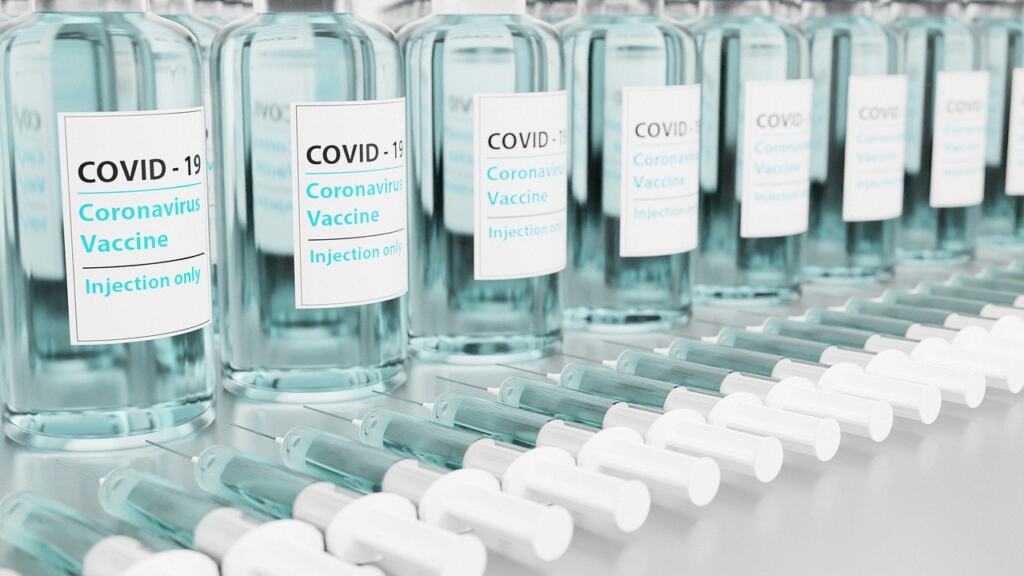
NMSU’s guide says all adults age 50 and older should get the shingles vaccine, Shingrix, which was approved in 2017. It is given as two shots, with the second any time between 2 and 6 months after the first. If you are 50 or older and have only had one shot, the second is the one to chase.
Pneumococcal vaccine at 65, or earlier with risk
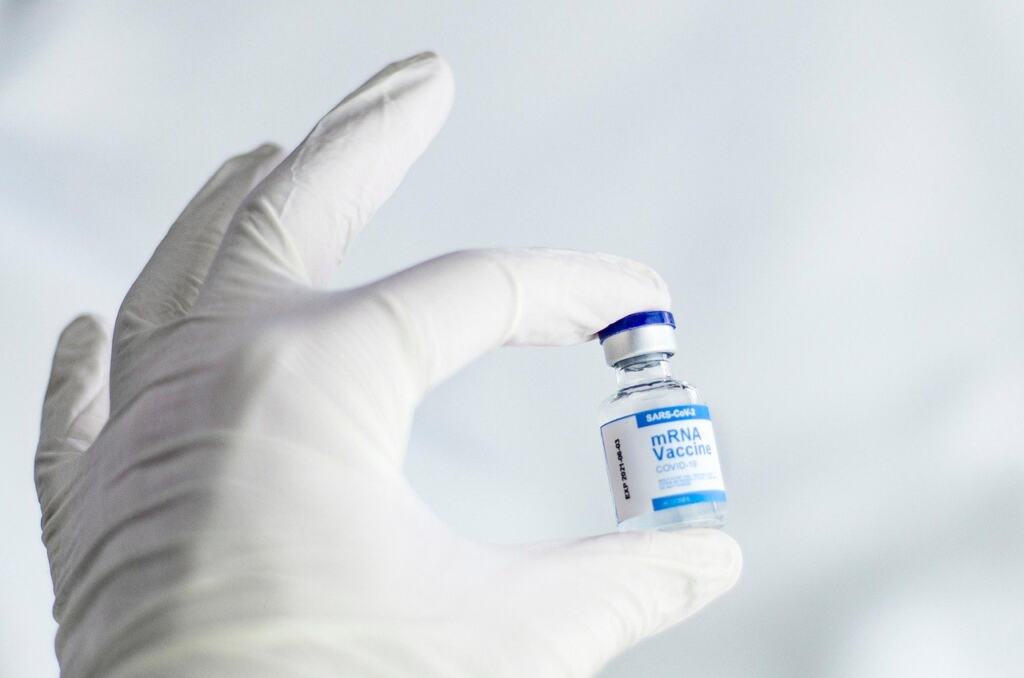
The Texas health department lists the pneumococcal vaccine for all adults 65 years of age or older, including one-time revaccination for people vaccinated under 65 more than 5 years earlier. Adults aged 19 to 64 are included when they are at risk under ACIP recommendations. That makes the cutoff conditional for younger adults: age alone does not qualify you before 65, but the risk conditions can.
MMR, HPV and the rest of the state list
Several vaccines are checked once instead of repeated. The Texas health department’s adult list includes Td/Tdap, seasonal influenza, pneumococcal, HPV (to age 26), zoster, varicella, MMR, hepatitis A and B, and meningococcal vaccines.
- MMR: people born during or after 1957 should have at least one dose unless they have documented immunity. Born earlier than that, this row does not apply by birth year.
- HPV: the state list runs to age 26, so this is a young-adult catch-up question.
- Hepatitis B: the AAFP’s copy of the adult schedule says that from age 19 through 59 years an adult completes a 2-, 3- or 4-dose series, depending on the product.
- Varicella, hepatitis A and meningococcal: these appear on the same list, and their applicability depends on your history and risks.
Louisiana’s health department explains why the list reaches beyond boosters: protection from some vaccines you had as a child begins to wear off. It adds that the vaccines it lists are generally recommended for adults, but needs may vary by person.
Pregnancy, chronic conditions and travel
Three situations change the list: pregnancy, long-term health conditions and travel. In each case the answer comes from a clinician applying the CDC table to you, not from a general rule.
- Chronic conditions: the Texas schedule page names chronic pulmonary disease, asthma, cardiovascular disease, diabetes, chronic liver disease, immunosuppressive conditions and smoking as adult risk groups. These are what move someone aged 19 to 64 into the pneumococcal recommendation.
- Pregnancy: the AAFP’s schedule page lists hepatitis A for pregnancy if at risk for infection or severe outcome from infection during pregnancy. Tell your prenatal clinician about your history so that decision is made case by case.
- Travel: the same page lists hepatitis A for travel in countries with high or intermediate endemic hepatitis A. Check your destination before booking appointments.
Checking your vaccination record
A personal vaccination record turns this checklist from a guess into a decision. Start with any card or paper record you hold, then ask your healthcare provider about gaps. NMSU’s guide gives this advice for a missing Tdap: check with your healthcare provider if you do not remember getting the shot.

Keep the record somewhere you can find it, and add the date each time you are vaccinated. Dates matter most for the shots that repeat, namely flu and Td, and for two-shot series where the second dose is easy to lose track of.

Checklist to run before your appointment
Work through these steps in order. The first two keep your list current, and the rest turn it into questions for your clinician.
- Open the current CDC adult table. Louisiana’s health department points readers to CDC-Recommended Vaccines for Adults as its easy-to-read schedule.
- Note the revision year. The AAFP’s page references the CDC’s 2025 immunization schedules, which it says are not endorsed by the AAFP, so a printed copy can be out of date.
- Mark what you have. Compare your record against each row of the table above.
- List your conditions. Add pregnancy, long-term illness, smoking or travel plans.
- Take the gaps to a provider. The American College of Physicians urges adults to get vaccinations recommended from trusted sources. Its adult immunization page has also carried news of a federal judge blocking schedule changes and staying ACIP member appointments, a further reason to confirm the current table with a clinician.
Frequently asked questions
Do I need every vaccine on the list?
Not necessarily. Louisiana’s health department says the listed vaccines are generally recommended for adults, but needs may vary by person. Age, health conditions, pregnancy and travel decide which rows apply.
How far apart are the two hepatitis A doses?
The AAFP’s schedule page gives Havrix 6–12 months apart or Vaqta 6–18 months apart. The product used decides the spacing, so keep the product name in your record.
How are intervals between doses counted?
The same AAFP page says that for calculating intervals, 4 weeks equals 28 days, and intervals of 4 months or more are counted in calendar months.
Which vaccines repeat and which are one-time?
Influenza repeats yearly and Td repeats every 10 years, per NMSU’s guide. Tdap is a single dose, and shingles vaccine is a two-shot series rather than a repeating shot.